Planning a Japan trip from India? Discover the best time to visit Japan month by month, including weather, cherry blossoms, seasonal experiences and practical travel tips for Indian travellers.

Trail With Ease Pro-Tip
Japan changes dramatically with the seasons. If cherry blossoms are your priority, plan around spring; for autumn colours, target October to November. Always check regional weather and peak-season prices before booking.
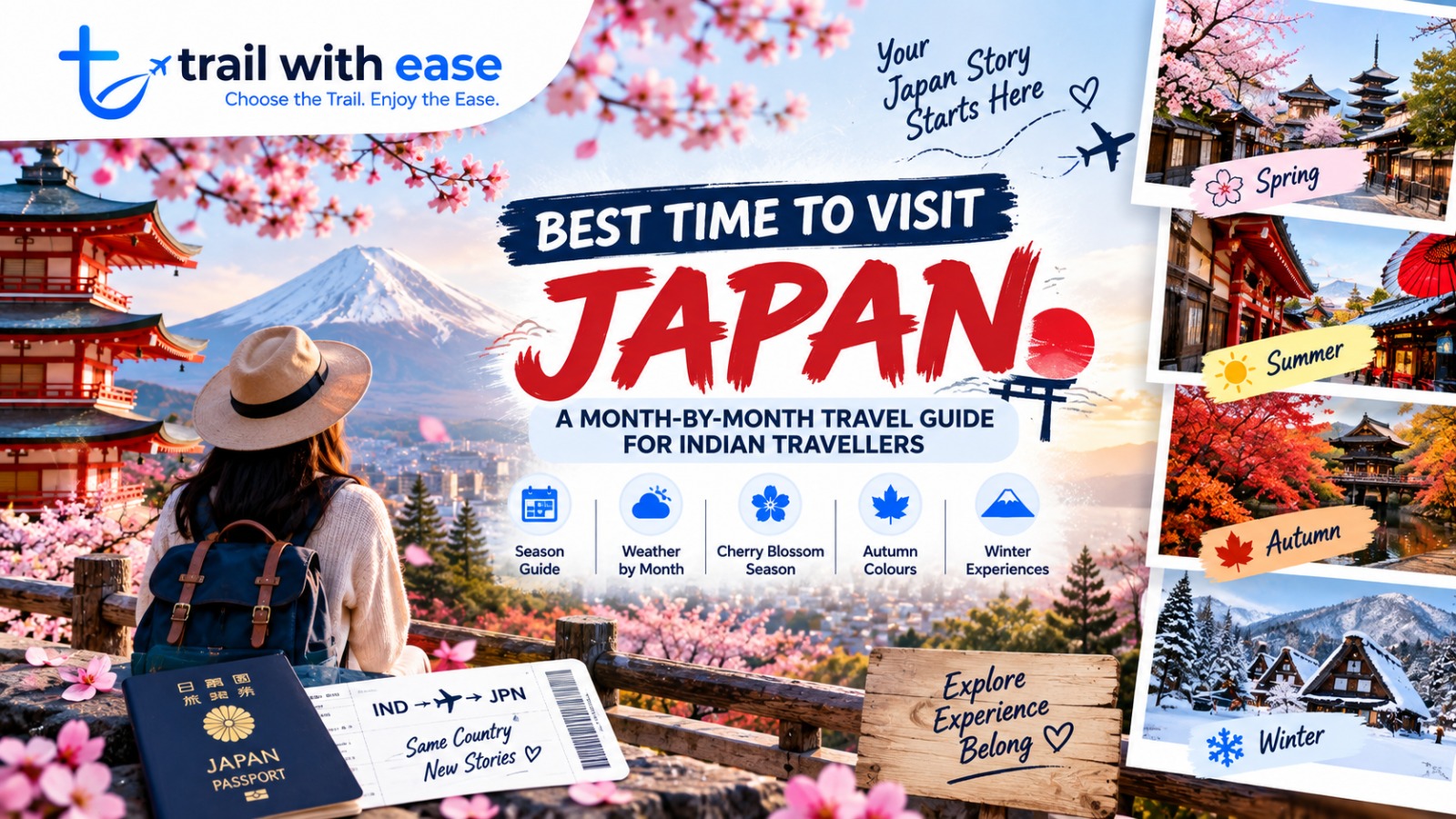
Planning a trip to Japan and wondering about the best time to visit Japan? Japan is one of those destinations that changes completely with the seasons. Cherry blossoms transform cities in spring, summer brings festivals and fireworks, autumn covers temples and mountains in vibrant colours, while winter offers snow, hot springs and ski experiences.
The right Japan travel season depends largely on what you want to experience, the cities you plan to visit, your tolerance for heat or cold, and whether you want to travel during Japan's busiest periods.
For Indian travellers planning Tokyo, Kyoto, Osaka, Mount Fuji or other popular destinations, understanding Japan weather by month can make a significant difference to your itinerary.
Japan has four distinct seasons, but weather varies considerably from northern Hokkaido to southern Okinawa. The Japan National Tourism Organization notes that spring and autumn generally offer comfortable conditions, while summer can be hot and humid and winter conditions vary significantly by region.
This guide explains the best time to visit Japan, the Japan weather by month, the Japan cherry blossom season, Japan autumn, Japan winter, and the overall Japan travel season so you can choose your dates with confidence.
Best Time to Visit Japan at a Glance
There isn't one universally perfect month for Japan. The best time to visit Japan depends on the experience you want.
For cherry blossoms, late March to mid-April is an important travel window in many popular destinations. For autumn foliage, October through early December can be excellent depending on the region. Winter is ideal for travellers interested in snow, skiing and hot springs, while summer is particularly attractive for festivals, fireworks and mountain activities.
Season | Months | What to Expect | Ideal For |
Spring | March–May | Mild weather, flowers, cherry blossoms | First-time visitors, photography |
Summer | June–August | Hot, humid, festivals, fireworks | Festivals, beaches, mountains |
Autumn | September–November | Cooler weather, colourful foliage | Sightseeing, nature, photography |
Winter | December–February | Cold weather, snow in many regions | Skiing, snow, hot springs |
If you are visiting Tokyo, Kyoto and Osaka on your first trip, spring and autumn are particularly popular because of their combination of sightseeing conditions and seasonal scenery. Trail With Ease's Japan guides similarly highlight late March–mid-April and mid-November–early December as important seasonal windows for Tokyo and Kyoto.
Japan Weather by Month
Understanding Japan weather by month is one of the easiest ways to decide when to travel. Japan stretches a long distance from north to south, so temperatures can be very different between places such as Sapporo, Tokyo and Okinawa.
The Japan Meteorological Agency's 1991–2020 climate normals show average temperatures in Tokyo ranging from around 5.4°C in January to 26.9°C in August. Sapporo is considerably colder in winter, while Naha in Okinawa remains much warmer throughout the year.
January – Cold, Snowy and Peaceful
January is part of the Japan winter period and is a good choice if you want snow experiences, winter sports or hot springs.
Tokyo and Osaka can be cold but often have clear winter days, while Hokkaido and mountainous areas experience much heavier snowfall.
Sapporo's average January temperature is around -3°C, while Tokyo's long-term January average is around 5°C.
For travellers interested in skiing, snowboarding or snowy landscapes, January can be an attractive part of the Japan travel season.
February – Winter Experiences Continue
February remains firmly within Japan winter, particularly in northern and mountainous regions.
Hokkaido is famous for its winter scenery and ski resorts, while cities such as Tokyo and Osaka remain comparatively manageable for sightseeing if you are comfortable with cold weather.
If your priority is snow rather than cherry blossoms, February can be an interesting alternative to the busier spring period.
March – Spring Starts to Arrive
March is a transition month.
Temperatures begin rising, particularly toward the end of the month, and some southern parts of Japan begin experiencing spring flowers.
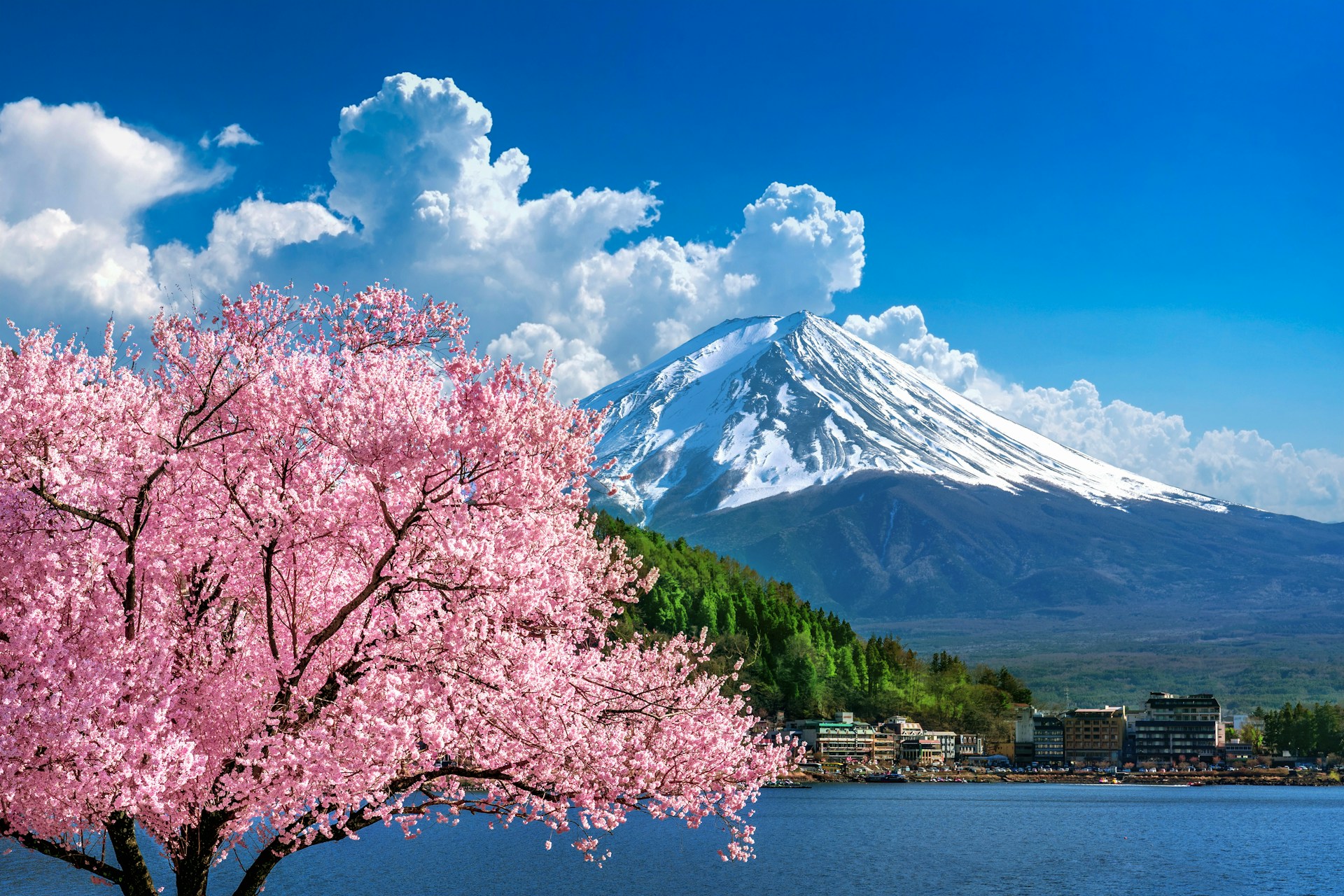
The Japan cherry blossom season can begin in some locations around this period, but exact blooming dates change from year to year and vary by location.
For travellers planning around sakura, it is better to monitor official forecasts rather than assume that one fixed date applies to the entire country.
April – Cherry Blossom Season
April is one of the most recognised months in the Japan travel season.
The Japan cherry blossom season attracts visitors from around the world, particularly to Tokyo, Kyoto, Osaka and other popular destinations.
Late March to mid-April is an important cherry blossom window for many central Japan destinations, although flowering progresses from south to north and timing varies by year.
If experiencing sakura is your main reason for visiting Japan, April can be an excellent month to consider, but popular locations can become very busy.
May – Greenery, Comfortable Weather and Fewer Sakura Crowds
May offers a different experience from the peak Japan cherry blossom season.
The blossoms have generally finished in many major destinations, but fresh green landscapes and comfortable temperatures make May attractive for sightseeing.
One important consideration is Golden Week, a major domestic holiday period around late April and early May. Travel can become particularly busy during this period.
If you are planning a Tokyo–Kyoto–Osaka itinerary, checking your exact dates around Golden Week is important.
June – Rainy Season and Early Summer
June marks the transition toward summer in many parts of Japan.
The rainy season generally begins around May to June, and humidity starts increasing.
This can still be a useful travel period for people who don't mind occasional rain and want to explore Japan outside the most famous cherry blossom window.
July – Festivals and Summer Energy
July brings warmer temperatures and more humidity.
Summer festivals become an important part of the Japanese travel experience, and cities across the country host seasonal celebrations.
Kyoto's Gion Matsuri is one example of a major summer cultural event. Fireworks festivals are another attraction during the summer months.
For travellers who enjoy cultural events more than mild sightseeing weather, summer can still be a rewarding Japan travel season.
August – Hot, Humid and Full of Festivals
August is generally one of the hottest periods.
Tokyo's long-term average temperature in August is around 26.9°C, while Osaka's is around 29°C.
Humidity can make walking-heavy itineraries feel more demanding.
At the same time, August brings festivals, fireworks and summer activities. Travellers should also be aware that August and September can experience typhoon activity that may affect travel plans.
September – Transition Towards Autumn
September gradually moves Japan from summer toward autumn.
Temperatures begin to fall, although early September can still be warm and humid.
Typhoons can also affect parts of Japan during this period, so flexible planning and checking weather updates before travelling are useful.
October – Comfortable Autumn Travel
October is an important month for Japan autumn travel.
Temperatures become more comfortable for walking and sightseeing, while autumn colours begin appearing in northern and higher-altitude areas before gradually moving south.
The exact timing of autumn foliage varies considerably by location and elevation.
October can therefore be an attractive month for travellers who want comfortable sightseeing without specifically targeting cherry blossoms.
November – Peak Autumn Scenery
November is one of the most popular months for Japan autumn experiences.
In central Japan, autumn foliage is particularly prominent from mid-November into early December. Kyoto's temples, gardens and surrounding landscapes can become especially scenic during this period.
If you want colourful landscapes, traditional Japanese architecture and comfortable sightseeing conditions, November deserves serious consideration when planning your Japan travel season.
December – Winter Begins
December brings the return of Japan winter.
Northern Japan and mountainous destinations can already have significant snow, while Tokyo and Osaka are generally much milder.
Winter illumination events, seasonal food, hot springs and snowy landscapes make December a distinctive time to visit.
Japan Cherry Blossom Season: When Should You Go?
The Japan cherry blossom season is one of the biggest reasons international travellers plan their Japan holidays around spring.
Cherry blossoms generally begin appearing in southern areas and progress northward, with flowering periods varying by destination and year. JNTO notes that blossoms can occur from March through May depending on location.
For a classic Tokyo–Kyoto–Osaka trip, late March to mid-April is a commonly targeted period.
However, there is an important point to remember: cherry blossom dates cannot be guaranteed months in advance.
Weather conditions influence flowering, so travellers should check updated forecasts closer to departure.
Tokyo
Tokyo can be particularly attractive during the Japan cherry blossom season, with parks and riverside areas becoming popular viewing locations.
Kyoto
Kyoto combines sakura with temples, traditional streets and gardens, creating one of the country's most photographed spring experiences.
Osaka
Osaka offers cherry blossom viewing alongside attractions such as Osaka Castle, Dotonbori and its food districts.
If cherry blossoms are your priority, build some flexibility into your itinerary instead of planning every activity around a single predicted bloom date.
Japan Autumn: Why October and November Are Popular
Japan autumn offers a completely different visual experience from spring.
Instead of pink cherry blossoms, landscapes become filled with shades of red, orange and gold.
JNTO describes autumn foliage as progressing from northern Japan toward southern areas, with much of the country experiencing colourful foliage from late September through early December.
For central Japan, November is particularly significant.
Kyoto's temple gardens, Tokyo's parks and mountain destinations around Japan can all provide excellent autumn experiences, although exact foliage timing differs by location.
If your priority is comfortable outdoor sightseeing rather than cherry blossoms, Japan autumn can be a strong option.
Japan Winter: Where to Go and What to Expect
Japan winter is not simply a cold version of the other seasons. It offers experiences that are difficult to recreate at other times of the year.
Northern Japan and mountainous regions receive substantial snowfall, while Pacific-side cities such as Tokyo and Osaka generally experience much less snow.
Hokkaido
Hokkaido is one of Japan's best-known winter destinations, particularly for snow and winter sports.
Nagano
Nagano and surrounding mountain areas offer opportunities for winter sports and snowy landscapes.
Hot Springs
Winter is also an excellent time to experience Japanese onsen culture, particularly in mountain towns.
Tokyo and Osaka
You can still visit Tokyo and Osaka during Japan winter without needing a snow-focused itinerary. The weather is cold, but these cities continue operating normally and offer plenty of indoor and outdoor attractions.
Japan Travel Season: When Is Japan Most Crowded?
Understanding the Japan travel season is not only about weather.
Major domestic travel periods can significantly affect hotel availability, transportation and popular attractions.
Golden Week generally falls around late April and early May, Obon occurs around mid-August, and the New Year holiday period occurs around late December and early January. These are important domestic travel periods in Japan.
The Japan cherry blossom season can also bring significant visitor demand to major tourist destinations.
Similarly, popular autumn foliage periods can be busy around Kyoto and other well-known sightseeing locations.
If you prefer a quieter trip, consider travelling just outside the peak seasonal window while still maintaining favourable weather.
Best Time to Visit Japan for Different Types of Travellers
The best time to visit Japan changes depending on your travel priorities.
For First-Time Visitors
Spring or autumn can work well for a classic Tokyo, Kyoto and Osaka itinerary because these periods generally provide comfortable sightseeing conditions and strong seasonal scenery.
For Cherry Blossom Lovers
The Japan cherry blossom season, particularly around late March and early April in many central destinations, is the obvious period to investigate.
For Autumn Photography
Consider October and November, depending on your destination and desired foliage timing. Japan autumn is particularly attractive around Kyoto and mountainous regions.
For Snow and Skiing
Choose Japan winter, especially if Hokkaido or mountain destinations are part of your itinerary.
For Festivals
Summer can be a good option for travellers interested in fireworks, traditional festivals and seasonal events.
For Lower-Cost Planning
Instead of focusing only on one season, compare flights and hotels across several weeks. Travelling outside the most popular seasonal periods may provide different pricing and availability, although actual costs vary by destination and booking date.
Best Time to Visit Japan for Tokyo, Kyoto and Osaka
If you are planning the classic Golden Route, your choice of month matters because Tokyo, Kyoto and Osaka have broadly similar seasonal patterns but can still feel different.
Tokyo's long-term average temperatures range from about 5.4°C in January to 26.9°C in August. Osaka's average ranges from about 6.2°C in January to 29°C in August.
Kyoto can feel particularly warm during summer and cold during winter mornings and evenings.
For a balanced first trip, spring and autumn provide two of the most popular seasonal experiences. Trail With Ease's own Japan itinerary guide highlights late March to mid-April for spring and mid-November to early December for autumn around Tokyo and Kyoto.
How Many Days Do You Need in Japan?
The number of days depends on how much of Japan you want to experience.
For a first-time trip, 7 to 10 days can work well for a focused route such as Tokyo, Kyoto and Osaka.
A 10-day Japan itinerary can provide enough time for Tokyo sightseeing, Kyoto's temples and traditional neighbourhoods, Osaka's food and entertainment, and potentially a day trip.
Trying to cover Tokyo, Kyoto, Osaka, Hiroshima, Hokkaido and several other regions in one short holiday can create excessive travel time.
A well-planned itinerary is often more useful than simply adding more destinations.
What Should You Pack for Japan?
Your packing list should depend heavily on the Japan travel season.
For spring, carry layers because mornings and evenings can be cool.
During summer, lightweight clothing, comfortable walking shoes and sun protection are useful.
For Japan autumn, layering is again helpful because temperatures can change throughout the day.
For Japan winter, especially in Hokkaido or mountainous regions, proper thermal clothing, a warm jacket and suitable footwear are important.
Regardless of season, comfortable walking shoes are highly recommended because Japan itineraries often involve considerable walking and public transportation.
How Trail With Ease Makes Japan Travel Easier
Planning the best time to visit Japan is only the first step. After selecting your dates, travellers still need to decide where to stay, what cities to combine, how many days to spend in each destination, which attractions require advance booking and how to organise transportation.
This is where Trail With Ease can make the process easier for people who love to travel but don't want to spend hours researching every part of their holiday.
Trail With Ease provides curated holiday itineraries, destination guides and travel planning support designed to simplify the journey. Its website currently features destinations including Bangkok, Pattaya, Kuala Lumpur, Langkawi, Singapore, Bali, Dubai and Vietnam, alongside curated holiday packages.
The platform also allows travellers to share details such as their travel date and number of travellers and connect with a destination expert.
For someone planning Japan, the same approach can help turn a complicated collection of flights, hotels, attractions and transportation options into a more organised travel plan.
Instead of simply asking, "When is the best time to visit Japan?", you can plan around the experience you actually want — cherry blossoms, autumn foliage, winter snow, cultural sightseeing or a balanced first-time itinerary.
Tips for Choosing the Best Japan Travel Season
Choosing the right Japan travel season becomes much easier when you start with your priorities.
If your dream is to see cherry blossoms, research the Japan cherry blossom season and monitor forecasts closer to your travel dates.
If you want colourful temples and comfortable walking weather, investigate Japan autumn.
If snow-covered landscapes, skiing and hot springs are your priority, look at Japan winter.
If festivals, fireworks and summer activities appeal to you, consider July and August while preparing for heat and humidity.
And if you simply want to explore Tokyo, Kyoto and Osaka without tying your trip to one particular seasonal event, compare spring, autumn and shoulder-season dates based on your budget and availability.
Conclusion: Choosing the Best Time to Visit Japan
So, what is the best time to visit Japan?
There is no single answer that works for every traveller. Spring brings the famous Japan cherry blossom season, summer offers festivals and fireworks, Japan autumn delivers colourful foliage and comfortable sightseeing weather, while Japan winter provides snow, skiing and hot spring experiences.
The most important part is matching your travel dates with the experience you want.
Understanding Japan weather by month and the different phases of the Japan travel season can help you build a more practical itinerary and prepare for the conditions you will actually encounter.
Whether you are planning your first Tokyo–Kyoto–Osaka trip, a cherry blossom holiday or a winter escape, Trail With Ease can help make the planning process simpler so you can spend less time worrying about the details and more time enjoying the journey.
Frequently Asked Questions
What is the best time to visit Japan?expand_more
The best time to visit Japan depends on your travel goals. Spring is popular for cherry blossoms, autumn for foliage and comfortable weather, summer for festivals and winter for snow and hot springs.
Which month is best for Japan?expand_more
For many first-time visitors, April and November are popular months to consider because of spring blossoms and autumn foliage respectively. Exact conditions vary by destination and year.
When is the Japan cherry blossom season?expand_more
The Japan cherry blossom season generally progresses from south to north, with blossoms occurring between March and May depending on location. In central destinations such as Tokyo and Kyoto, late March to mid-April is an important period to watch.
When is autumn in Japan?expand_more
Japan autumn generally runs from September through November, although autumn foliage can extend into early December depending on location. Northern and mountainous areas typically see autumn colours earlier than southern areas.
Is Japan cold in winter?expand_more
Yes, but temperatures vary significantly by region. Hokkaido and mountainous areas can experience heavy snow and freezing conditions, while Tokyo and Osaka are generally milder.
Is December a good time to visit Japan?expand_more
December can be a good choice if you enjoy winter scenery, seasonal illuminations, cold-weather sightseeing and hot springs. Snow experiences are more likely in northern and mountainous areas.
Is Japan hot in summer?expand_more
Japan's summer can be hot and humid, particularly in July and August. Summer also brings festivals, fireworks and other seasonal activities.
What is the best time to visit Tokyo, Kyoto and Osaka?expand_more
Spring and autumn are popular periods for a Tokyo–Kyoto–Osaka itinerary. Late March to mid-April is associated with spring blossoms, while mid-November to early December can provide autumn foliage in central Japan.
How many days are enough for Japan?expand_more
Around 7–10 days can work well for a first-time itinerary focused on Tokyo, Kyoto and Osaka. Longer trips allow you to add destinations such as Hiroshima, Nara, Mount Fuji, Hokkaido or other regions without making the itinerary excessively rushed.
Is Japan expensive to visit?expand_more
Japan can accommodate different travel budgets. Your overall cost depends on flights, accommodation, transportation, food, attractions, shopping and the Japan travel season you choose.
Should I visit Japan in spring or autumn?expand_more
Both seasons offer different experiences. Spring is associated with the Japan cherry blossom season, while Japan autumn offers colourful foliage and generally comfortable conditions for sightseeing. Your choice should depend on which experience you want from the trip.
What is the Japan travel season?expand_more
The term Japan travel season can refer to periods when visitor demand is particularly high, especially around cherry blossoms, autumn foliage and major Japanese holidays. Golden Week, Obon and New Year are significant domestic travel periods.
How can I check Japan weather by month before booking?expand_more
Use long-term climate information to understand typical conditions, then check destination-specific weather forecasts closer to your travel dates. The Japan Meteorological Agency publishes climate normals based on 1991–2020 observations for locations across Japan.