Kyoto is Japan's former imperial capital, offering a deeper dive into Japan's culture and history as a serene contrast to neon-lit modern cities like Tokyo. Recognized worldwide for its UNESCO World Heritage sites—including preserved wooden Machiya houses and tranquil bamboo groves—Kyoto serves as a primary destination on Japan's classic "Golden Route." This Kyoto in Japan travel guide is curated specifically for Indian tourists, detailing clear plans of action to visit the city's major attractions, entry fees, transport logistics, accommodation, and vegetarian-friendly dining, ensuring your trip is smooth and easy.

Trail With Ease Pro-Tip
Arrive at Fushimi Inari Taisha at dawn (around 6:30 AM) or after dusk to enjoy the vermilion torii gate trails completely crowd-free. Also, carry local cash (JPY) for ticket counters at Kiyomizu-dera and Arashiyama Monkey Park as credit cards and digital IC cards are not accepted on-site.
Kyoto Attractions: Top 10 Things to Do in Kyoto
The city houses some of Japan's most admired tourist destinations, including traditional Buddhist temples, Shinto shrines, historic neighborhoods, Japanese gardens, and rich cultural experiences. Kyoto offers a very different environment compared to modern Japanese cities like Tokyo, showcasing preserved streets, wooden merchant townhouses, seasonal scenery, and centuries-old religious sites. Below are the key places considered to be among the best things to do in Kyoto for Indian travelers.
| Attraction Name | Key Highlight Feature | Entry Fee (JPY / INR) | Recommended Time |
|---|---|---|---|
| Fushimi Inari Taisha | 10,000+ Vermilion Torii Gate Trails up Mt. Inari | Free Entry |
1.5 – 3 Hours |
| Kiyomizu-dera Temple | 1,200-Year-Old Wooden Stage & City Panoramic Views | ¥500 (~₹275) |
1 – 2 Hours |
| Kinkaku-ji (Golden Pavilion) | Zen Temple Top Floors Leafed in Pure Gold Foil | ¥500 (~₹275) |
45 – 90 Mins |
| Arashiyama Bamboo Grove | Towering Green Bamboo Walking Trails | Free Entry |
1 Hour |
| Arashiyama Monkey Park | 100+ Wild Macaques & Hilltop Viewpoint | ¥800 (~₹440) |
1.5 – 2 Hours |
| Gion Historic District | Traditional Machiya Architecture & Evening Teahouses | Free to Explore |
1.5 – 2 Hours |
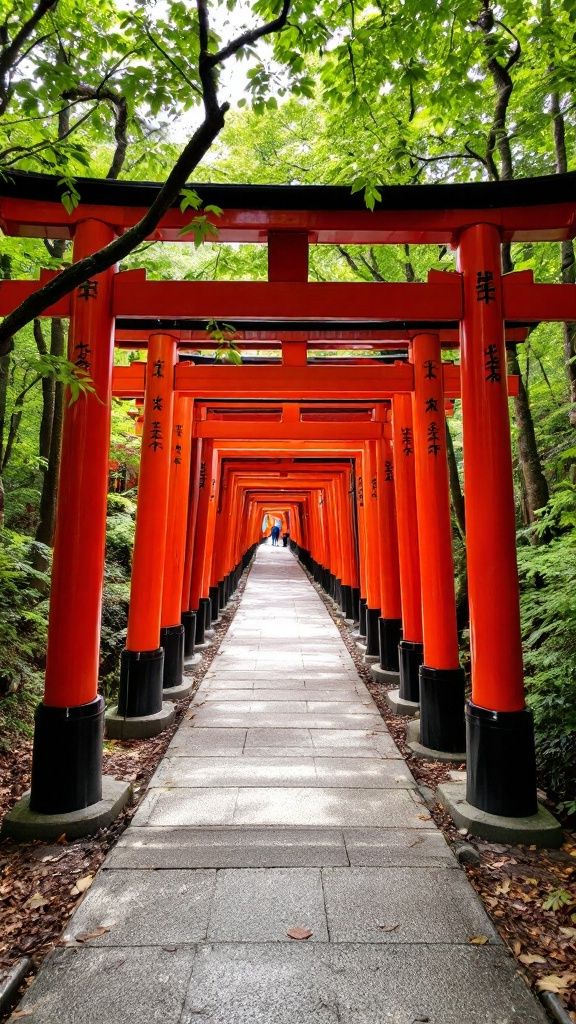 Senbon Torii path at Fushimi Inari featuring over 10,000 vermilion gates
Fushimi Inari Taisha: Senbon Torii & Mount Inari Hike
Fushimi Inari Taisha is considered one of the best places to visit in the city. As a primary Shinto shrine dedicated to the deity of rice and agriculture, this site is globally acknowledged for its Senbon Torii—a path of over 10,000 colorful vermilion torii gates winding up Mount Inari.
- Shrine Entrance Fee: Completely free to enter 24/7 all year round.
- Tickets: No entry ticket or prior online reservation needed.
- History: Built in 711 AD during the Nara period; main structure rebuilt in 1494.
- Torii Gates: Over 10,000 gates donated by individuals/businesses with donor names engraved.
- Time Needed: Lower area takes 45–60 mins; full hike up Mount Inari takes 2–3 hours.
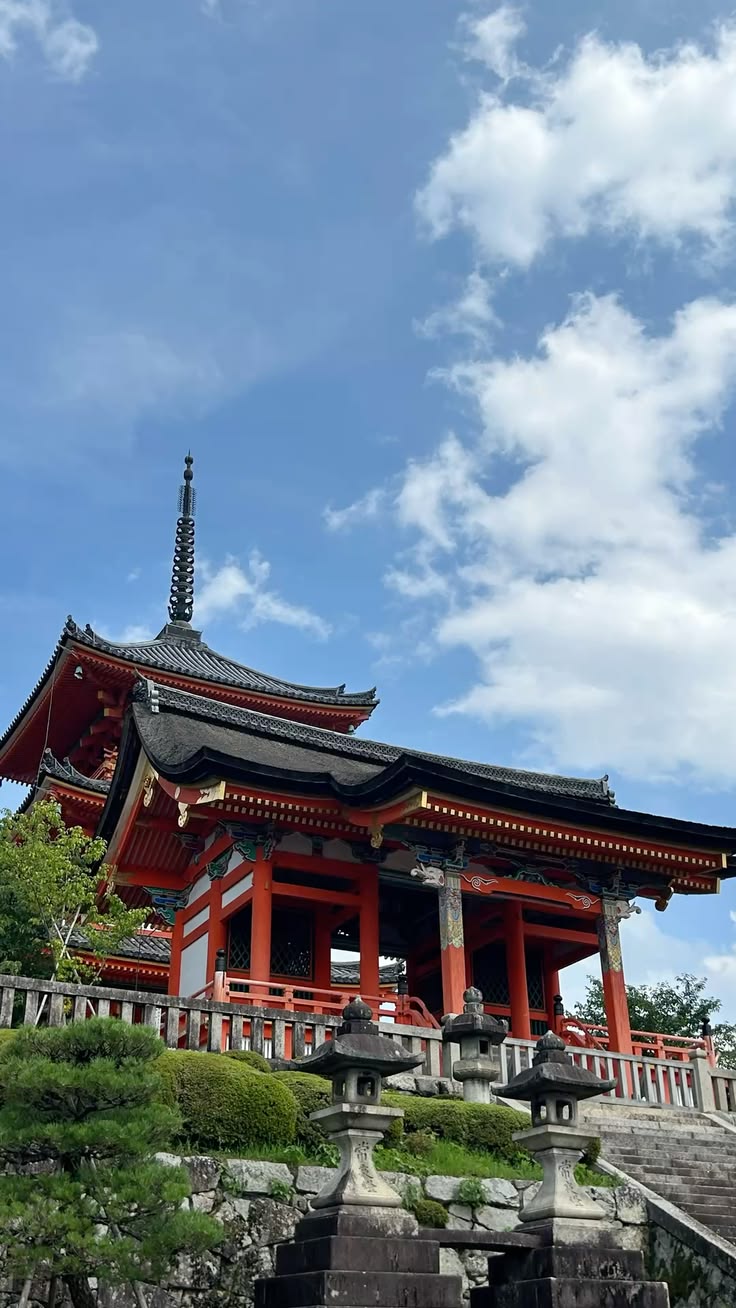
Kiyomizu-dera Temple: Wooden Stage & Scenic Overlook
Kiyomizu-dera is a 1,200-year-old UNESCO World Heritage Site famous for its massive wooden stage built without nails in the main hall. Situated on Mount Otowa, it offers sweeping city views framed by spring cherry blossoms and red autumn maples.
- Entrance Fee: Adults
¥500 (~₹275)| Children¥300 (~₹165). - Ticket Counter: Purchased on-site near Nio-mon Gate (Cash only; no cards).
- Best Hours: Early morning 6:00 AM – 8:00 AM for quiet photo sessions.
- Seasons: Late March–April for cherry blossoms; Mid-November–December for red maples.
 Kiyomizu-dera Temple's massive wooden stage built on Mount Otowa
Kiyomizu Dera or Fushimi Inari: Which Is Better for Day Trips?
Choosing between Kiyomizu-dera and Fushimi Inari depends on the experience you seek during a things to do in kyoto day trip:
- Choose Kiyomizu-dera if: You want historic Buddhist architecture, panoramic city views from eastern hills, seasonal foliage, and easy access to preserved shopping streets like Sannen-zaka and Ninen-zaka.
- Choose Fushimi Inari if: You prefer scenic mountain hiking, iconic red torii gate photography, 24/7 free access, and an immersive Shinto shrine atmosphere.
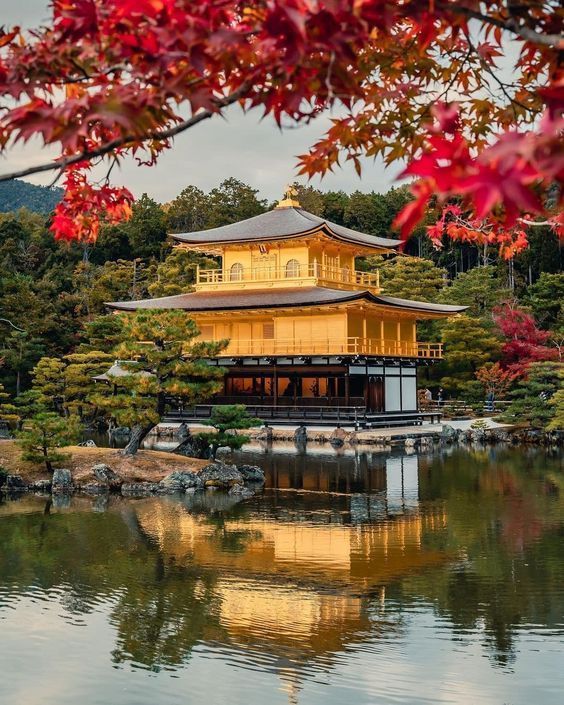 Kinkaku-ji (The Golden Pavilion)—top two floors leafed in pure gold foil
Kinkaku-ji Kyoto (The Golden Pavilion)
Kinkaku-ji is Kyoto's most recognized landmark. The top two floors of this Zen Buddhist temple pavilion are completely covered in gold leaf, casting a striking reflection across the mirror pond beside the manicured Japanese gardens.
- Entry Fee:
¥500 (~₹275)per adult. - Time Required: 45 to 90 minutes to stroll the temple grounds.
- Key Highlight: Mirror pond reflection framing pure gold foil architecture.
Arashiyama Bamboo Grove & Monkey Park
Located in western Kyoto, the bamboo grove features a soaring green bamboo path close to Tenryu-ji Temple and Togetsukyo Bridge. Open 24/7 with free entry.
For young adults and outdoor lovers, the nearby Arashiyama Monkey Park on Mount Iwatayama features over 100 wild Japanese macaques and panoramic city views via a steep 20-minute hike.
- Bamboo Grove Fee: Free & open 24/7.
- Monkey Park Fee:
¥800 (~₹440)cash only.
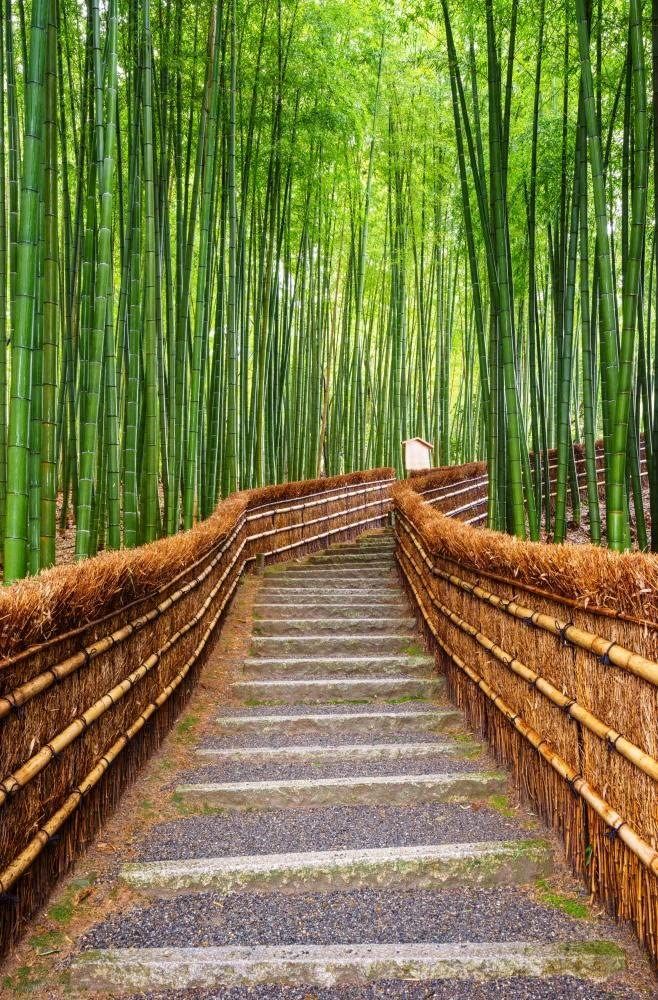 Arashiyama Bamboo Grove—soaring green bamboo path in western Kyoto
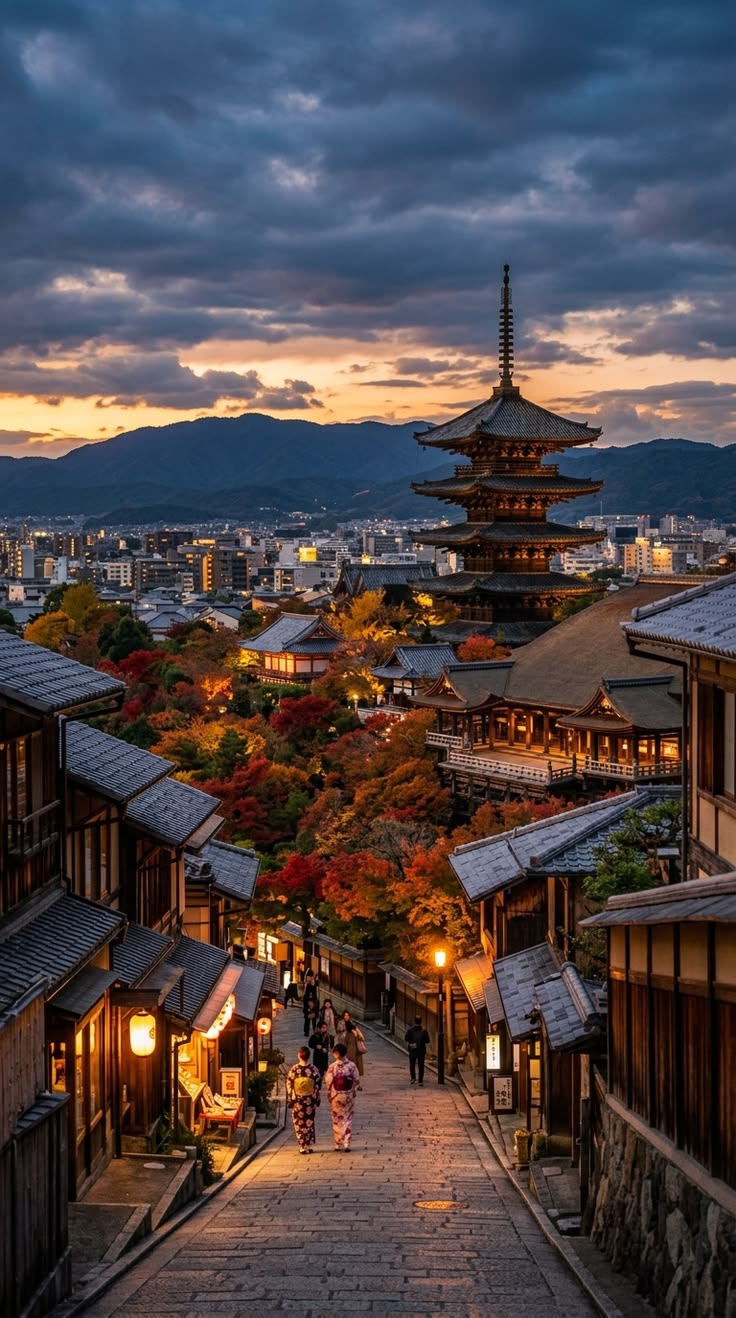
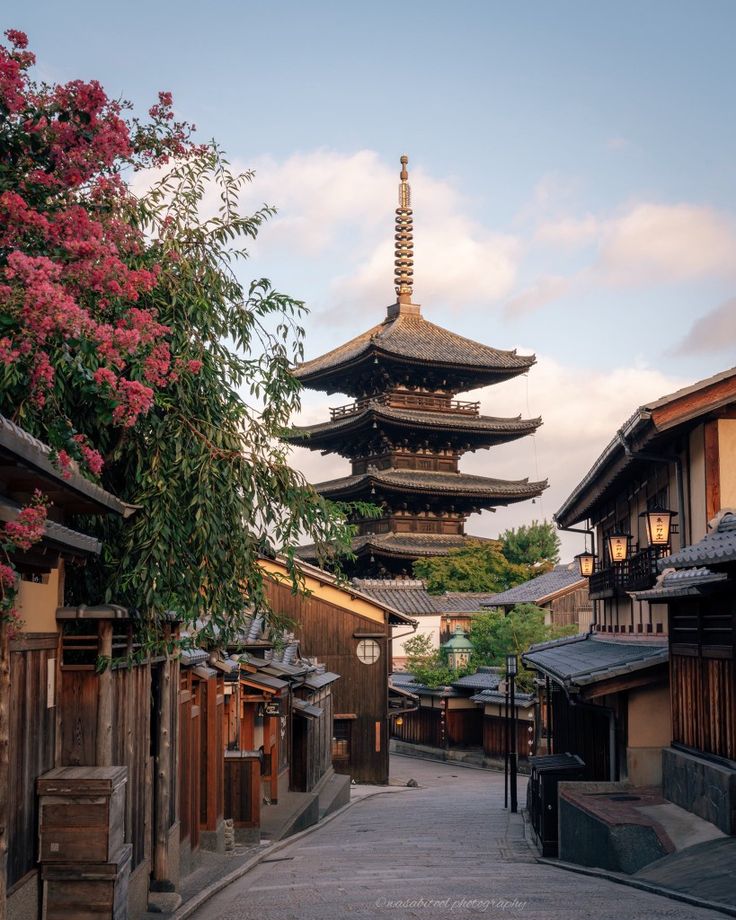
 Gion district's preserved wooden machiya townhouses and lantern-lit stone alleys
Gion District: Geisha Heritage & Street Rules
Gion is Kyoto's historic entertainment and geisha district, known for wooden machiya merchant townhouses, teahouses, lantern-lit alleys, and high-end kaiseki dining spots.
- Best Hours: Late afternoon and early evening along Hanamikoji Street.
- Photography Warning: Photography on private side alleys is strictly prohibited with fines up to
¥10,000.
Kyoto Restaurant Guide: Vegetarian & Food Picks
Kyoto's dining scene offers refined traditions like Shojin Ryori—traditional Zen Buddhist plant-based cuisine prepared without meat, fish, onions, or garlic, making it 100% compatible with Indian vegetarian and Jain diets.
- Conveyor Belt Sushi: Budget dining at Musashi Sushi near Gion and Chojiro Kyoto Avanti.
- Plant-Based Choices: Temari Sushi (vegetable balls) and Vegan Ramen Uzu.
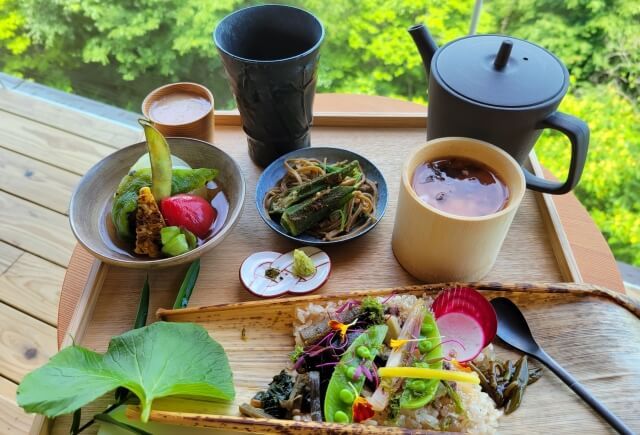 Shojin Ryori—100% plant-based Zen Buddhist vegetarian cuisine
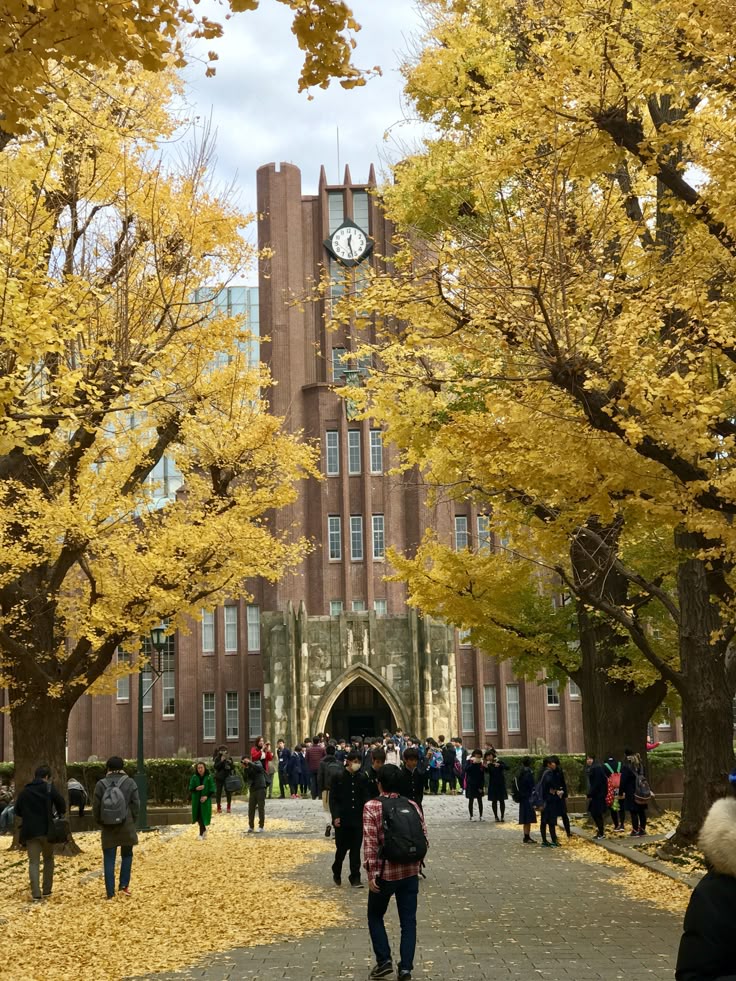 Kyoto University (Kyōdai)—Japan's 2nd oldest university
Kyoto University in Japan (Kyōdai)
Founded in 1897, Kyoto University is Japan's second-oldest national research university. Its official motto, "Freedom of academic spirit," emphasizes independent research, giving rise to multiple Nobel Prize laureates across science and technology.
- Location: Main Yoshida campus near northern and eastern Kyoto sights.
- Vibe: Academic architecture, historic Clock Tower Centennial Hall, and peaceful campus atmosphere.
Publishing Disclaimer: Information verified against official guidelines from the Japan National Tourism Organization (JNTO), JR West Railway Network, Keihan Electric Railway, Embassy of India in Tokyo, and the Ministry of Foreign Affairs of Japan. Entrance fees, transit schedules, and exchange rates (1 JPY ≈ 0.55–0.58 INR) are subject to periodic seasonal updates. Last Updated: August 2026.
Frequently Asked Questions
Why is Kyoto so famous?expand_more
Kyoto is world-famous for its well-preserved historic temples, Shinto shrines, traditional wooden machiya architecture, Zen gardens, and geisha culture. Having served as Japan's imperial capital for over one thousand years, the city remains the cultural and historical heart of the country.
Is Kyoto cheap or expensive for tourists?expand_more
Kyoto is moderately priced and caters to various budgets. While luxury ryokans and kaiseki dining can be costly, travelers can easily keep expenses low by using public transit, staying in budget hotels, dining at casual noodle shops, and visiting free attractions like Fushimi Inari and Arashiyama.
Is English spoken in Kyoto, Japan?expand_more
English is commonly used across major transport hubs, hotels, tourist centers, and prominent attractions. While everyday locals may not speak fluent English, clear signage in English and smartphone translation apps make getting around Kyoto smooth and straightforward.
Is Japan costly for Indian travelers?expand_more
Japan is moderately priced for Indian tourists. It is generally more affordable than Western European destinations, though slightly more expensive than Southeast Asian spots like Thailand or Bali. The Indian Rupee retains stable purchasing power against the Japanese Yen (1 JPY ≈ 0.55–0.58 INR).