Japan is an immaculate blend of modern cities and futuristic technology with ancient temples, picturesque landscapes, public transport, food, and a rich culture that feels both familiar and completely different.

Trail With Ease Pro-Tip
Download Google Lens and DeepL on your mobile phone before landing in Japan. Pointing your phone camera at Japanese menus or transit signs translates text instantly in real time.
Japan mixes skyscraper cities and bullet train networks with wooden Buddhist temples, mountain landscapes, and centuries-old etiquette. For travelers visiting from India, navigating the country gets much easier once you understand the regional geography, mobile translation setups, transit passes, and food options.
Japan Map and Geography Overview
Japan spans an island arc off the east coast of mainland Asia along the Pacific Ocean. Over 14,000 islands make up the archipelago, but four main islands account for almost all land area and population hubs:
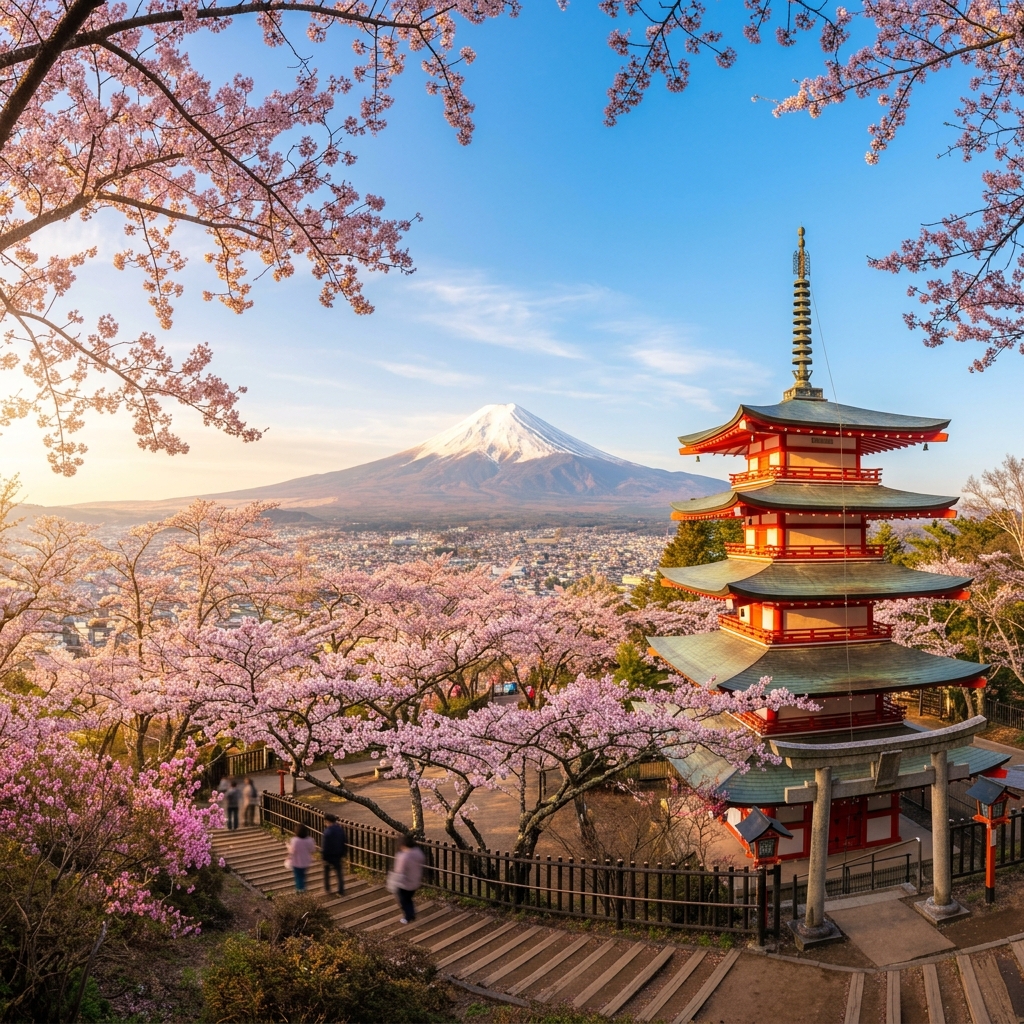
 Mount Fuji on Honshu Island along the Shinkansen corridor
The Four Major Islands
- Honshu: The main central island where Tokyo, Kyoto, Osaka, Yokohama, Hiroshima, and Mount Fuji are located.
- Hokkaido: The northern island known for ski resorts in Niseko, national parks, and cooler summer weather.
- Kyushu: The southwestern island famous for natural hot spring towns (onsen), active volcanoes, and Fukuoka.
- Shikoku: The smallest of the four main islands, noted for coastal scenery and historic Buddhist pilgrimage walks.
Mountains and thick forest cover more than 70% of Japan. As a result, major cities, industrial zones, and the Japan Railways (JR Group) Shinkansen bullet train tracks run along coastal plains. If you are planning your departure from India, check out ticket options in our dedicated Delhi to Tokyo Flights Guide.
Time Difference for Travelers from India
Japan follows Japan Standard Time (JST, UTC+9) year-round without daylight saving shifts. If you are flying in from India, JST is exactly 3 hours and 30 minutes ahead of Indian Standard Time (IST). When it is 12:00 PM in New Delhi, it is 3:30 PM in Tokyo.
Exploring Golden Route Cities (With Direct Map Links)
Most first-time visitors follow the "Golden Route" across Honshu island. This route connects the capital in the east to historic capitals and commercial centers in the west:
Primary Destinations on the Route
-
Tokyo: Capital city featuring Sensō-ji Temple in Asakusa, Shibuya Crossing, Akihabara electronics shops, and Tokyo Disneyland. For an in-depth capital itinerary, read our full Tokyo Travel Guide.
📍 Tokyo on Google Maps -
Kyoto: The former imperial capital with over 1,000 Buddhist temples, Shinto shrines, Gion Machiya wooden houses, and Kinkaku-ji (Golden Pavilion). Explore our dedicated Kyoto Travel Guide for Indian Tourists.
📍 Kyoto on Google Maps -
Osaka: Commercial hub in Kansai known for Dotonbori street food stalls, Osaka Castle, and Universal Studios Japan. Read our detailed Osaka Travel Guide & Top Attractions.
📍 Osaka on Google Maps - Yokohama & Hiroshima: Yokohama sits just south of Tokyo on Tokyo Bay, while Hiroshima in the southwest is home to the Peace Memorial Park and Miyajima Island.
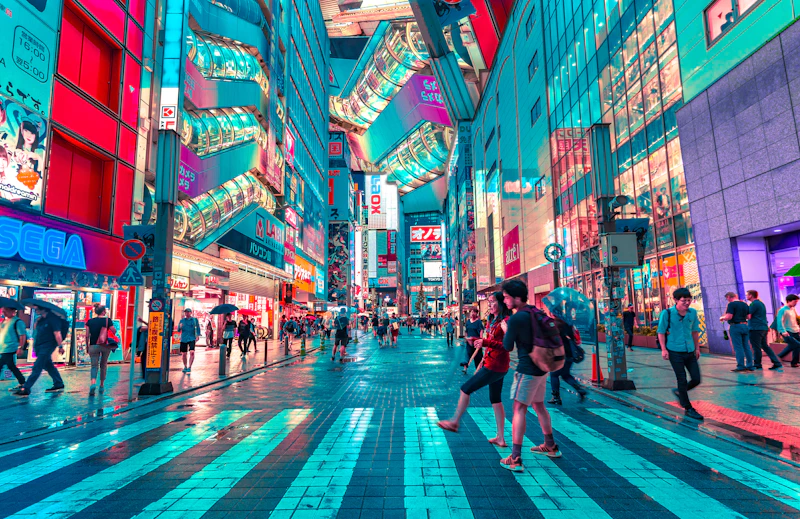
 Tokyo night skyline looking toward Shibuya and Shinjuku
Planning transit between major hubs? Read our step-by-step route guide on Traveling from Tokyo to Osaka, or explore our combined Kyoto and Osaka Itinerary for seamless trip planning across Kansai.
English Usage & Smartphone Translation Tools
English is taught in Japanese schools, but conversational fluency among store clerks, taxi drivers, and restaurant staff outside major international hotels can be limited. However, navigating train lines and street signs is straightforward because station names, announcements, and ticket machines operate in English.
Install Google Translate (with the Japanese offline language pack downloaded) and DeepL on your phone. Pointing your camera at Japanese menus or transit signs gives instant English translations on screen.
Workplace & Student English Testing in Japan
Japanese companies rely on the TOEIC Test to evaluate English proficiency for job candidates and internal promotions. High school and college students take the EIKEN Test for academic qualifications. Students preparing for study-abroad programs at institutions like Kyoto University or the University of Tokyo take TOEFL or IELTS exams.
Local Habits & Samurai Blue Football Culture
A few cultural practices make daily interactions smoother:
 Torii gate leading to a Shinto shrine grounds
Mindful Dining: The 80% Rule
Japanese dining etiquette incorporates a traditional practice called "Hara Hachi Bu" (腹八分目). The phrase translates to "eat until you are 80% full." It stems from ancient Confucian advice encouraging mindful eating to avoid feeling sluggish after meals.
Japan National Football Team (Samurai Blue)
Football is widely followed across Japan alongside baseball. The national team, governed by the Japan Football Association (JFA), is nicknamed Samurai Blue. Their team emblem features the Yatagarasu, a three-legged mythical crow associated with guidance in Shinto tradition. Japan has won four AFC Asian Cup titles and qualified for eight consecutive FIFA World Cups since 1998.
Vegetarian, Jain & Halal Food Options
Travelers with specific dietary preferences can find suitable dining across major cities with a little planning:
- Vegetarian & Jain Meals: Traditional Japanese cuisine uses fish stock (dashi) in many broths. Look for Shojin Ryori (Buddhist temple kitchen food), which is entirely plant-based and avoids meat, garlic, and onions. Indian restaurants in Tokyo, Kyoto, and Osaka also serve certified Jain and vegetarian meals.
- Halal Dining & Apps: Airports like Narita (NRT), Haneda (HND), and Kansai (KIX) maintain dedicated multi-faith prayer rooms. Halal-certified ramen shops and Indian/Middle Eastern restaurants operate across central districts. Use the Halal Navi Official App to check verified restaurants near your location.
- Fast Food Note: Standard fast-food outlets (such as general KFC locations in Japan) do not hold Halal certification.
Frequently Asked Questions
Can I speak English while traveling in Japan?expand_more
Yes, you can easily navigate Japan using English along with mobile translation tools. Major transit hubs, airports, hotels, and tourist attractions feature extensive English signage and multilingual voice announcements.
Is Japan friendly and accessible for Muslim travelers?expand_more
Yes, Japan is progressively Muslim-friendly. Major international airports feature dedicated prayer rooms, and cities offer an increasing number of Halal-certified restaurants. Travelers frequently use the Halal Navi app to locate certified dining options.
What is the "80% rule" (Hara Hachi Bu) in Japanese dining culture?expand_more
The 80% rule refers to "Hara Hachi Bu", a traditional Japanese dietary wisdom advising people to eat until they are 80% full. This practice promotes mindful eating, prevents overindulgence, and aids healthy digestion.
What are the major cities on Japan's Golden Route?expand_more
Japan's Golden Route connects primary destinations on Honshu island, including Tokyo (capital and economic hub), Yokohama, Kyoto (historic capital), Osaka (culinary capital), and Hiroshima (peace memorial site).
Is KFC in Japan certified Halal?expand_more
No, standard KFC fast-food outlets in Japan are generally not certified Halal.