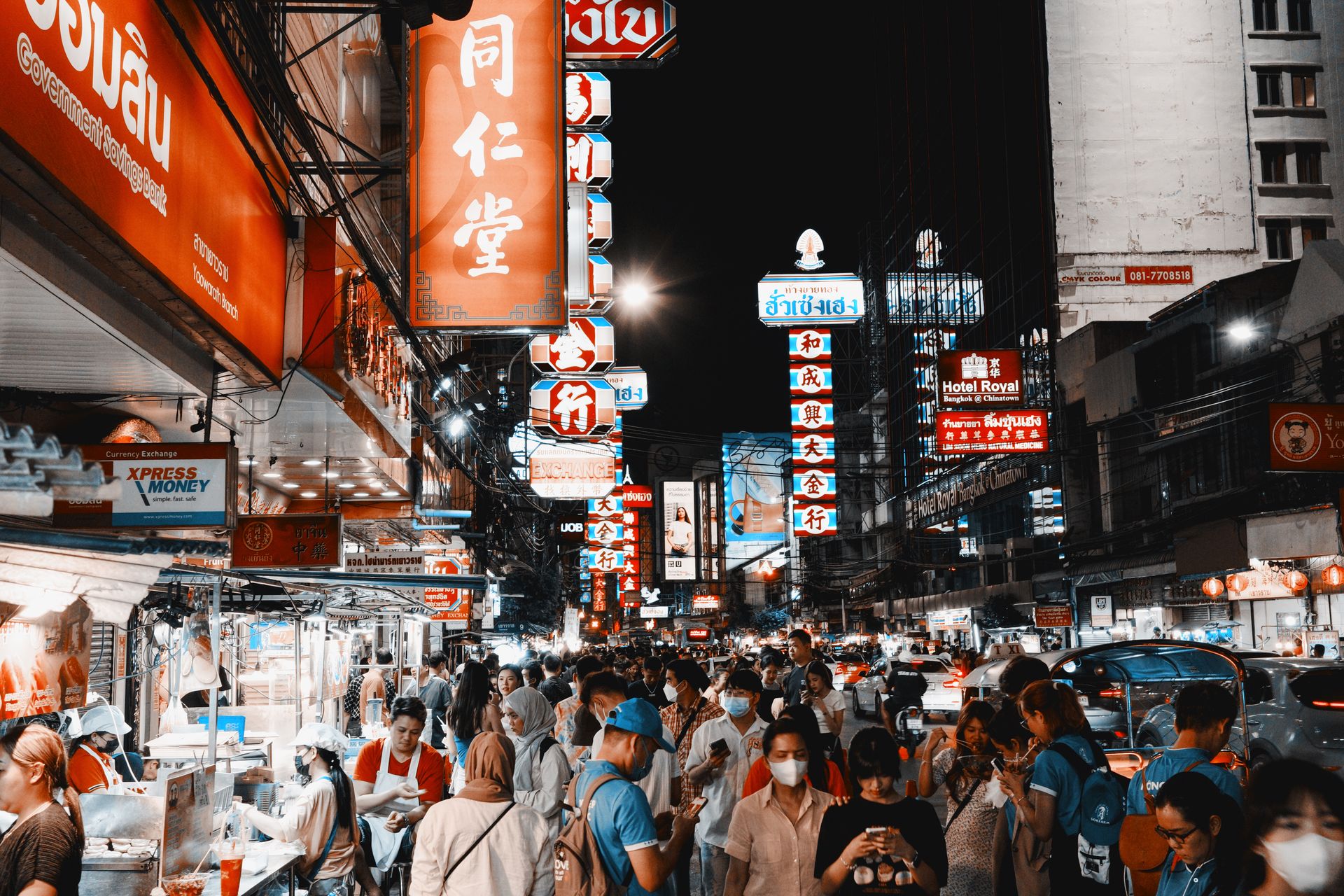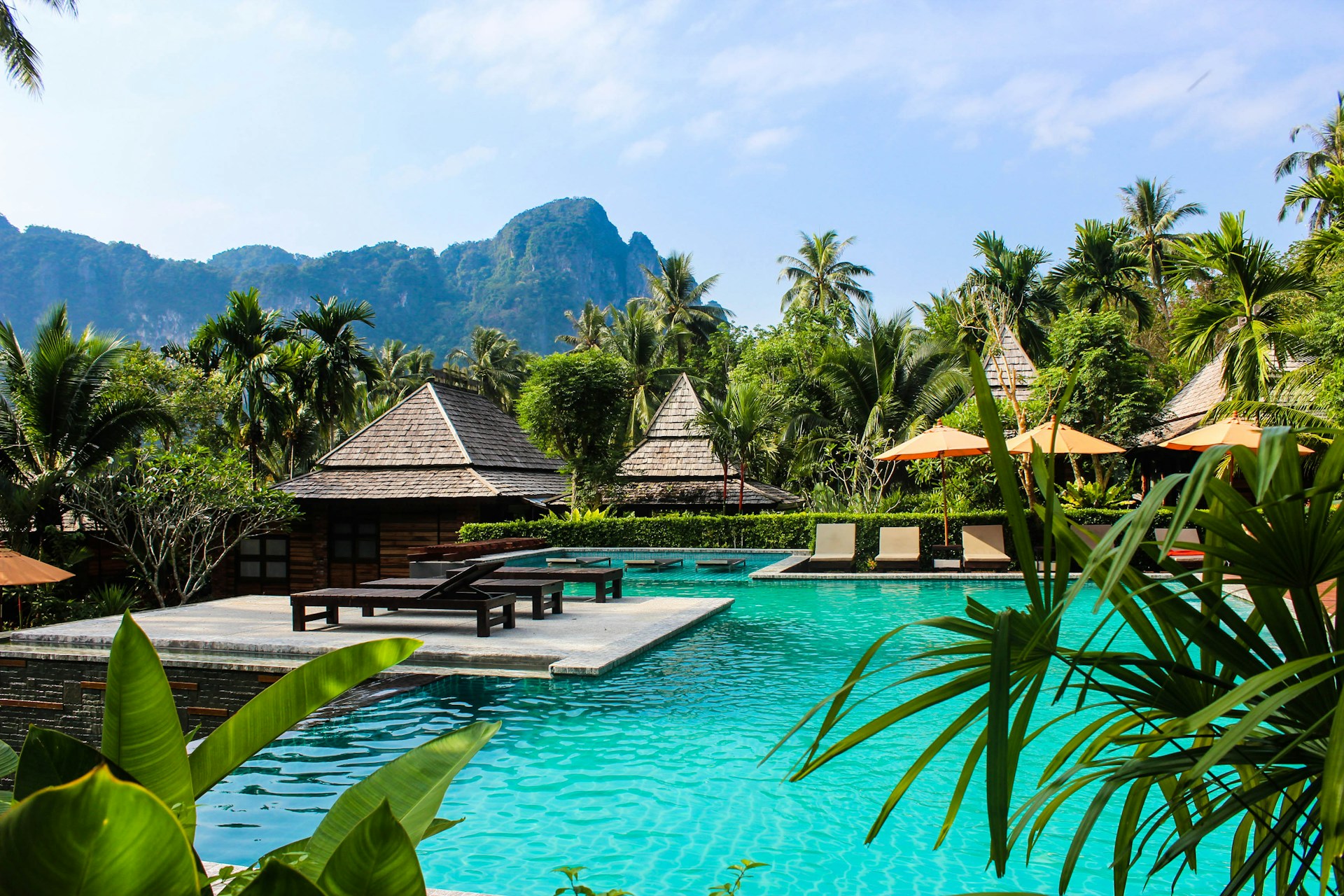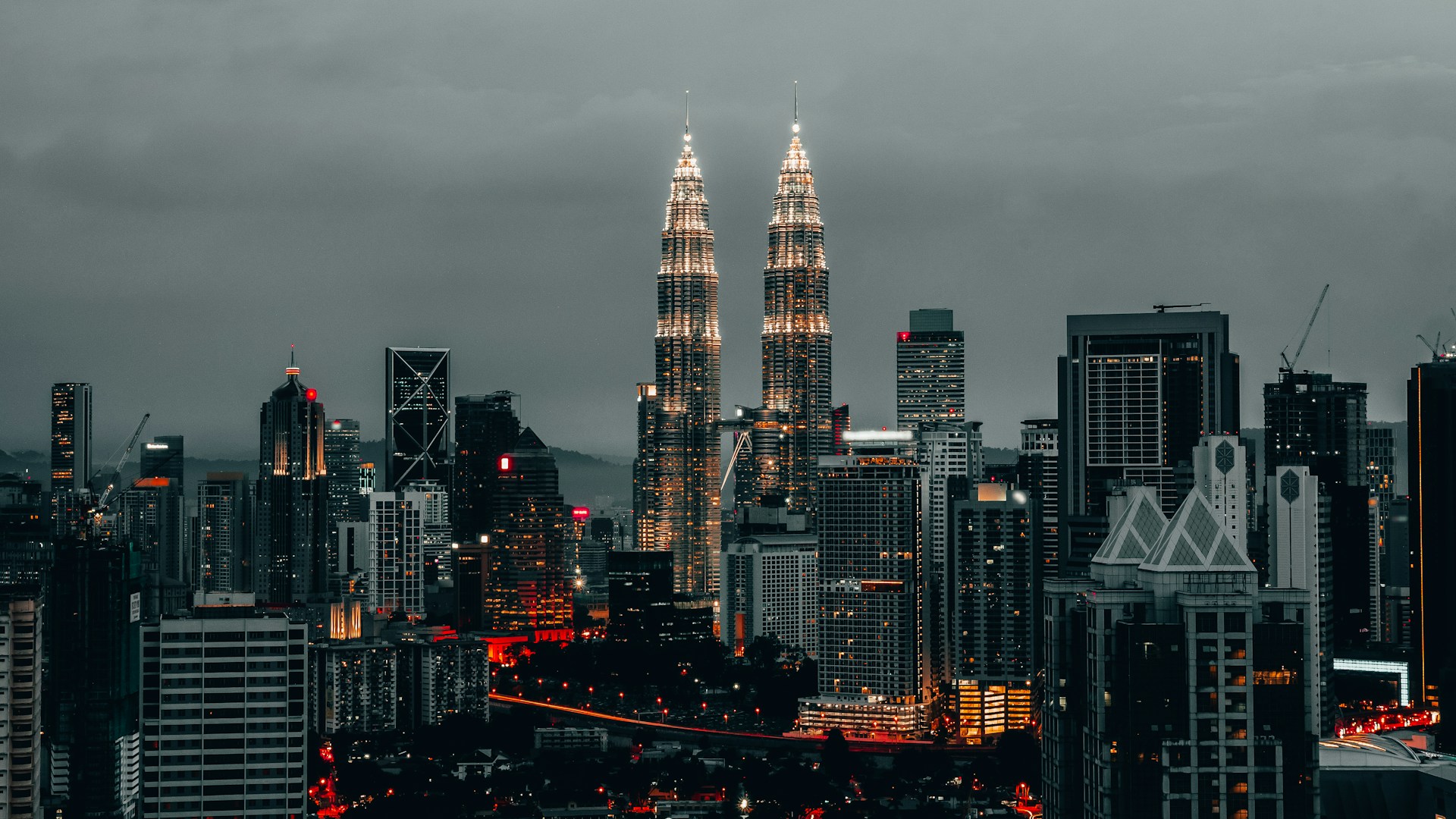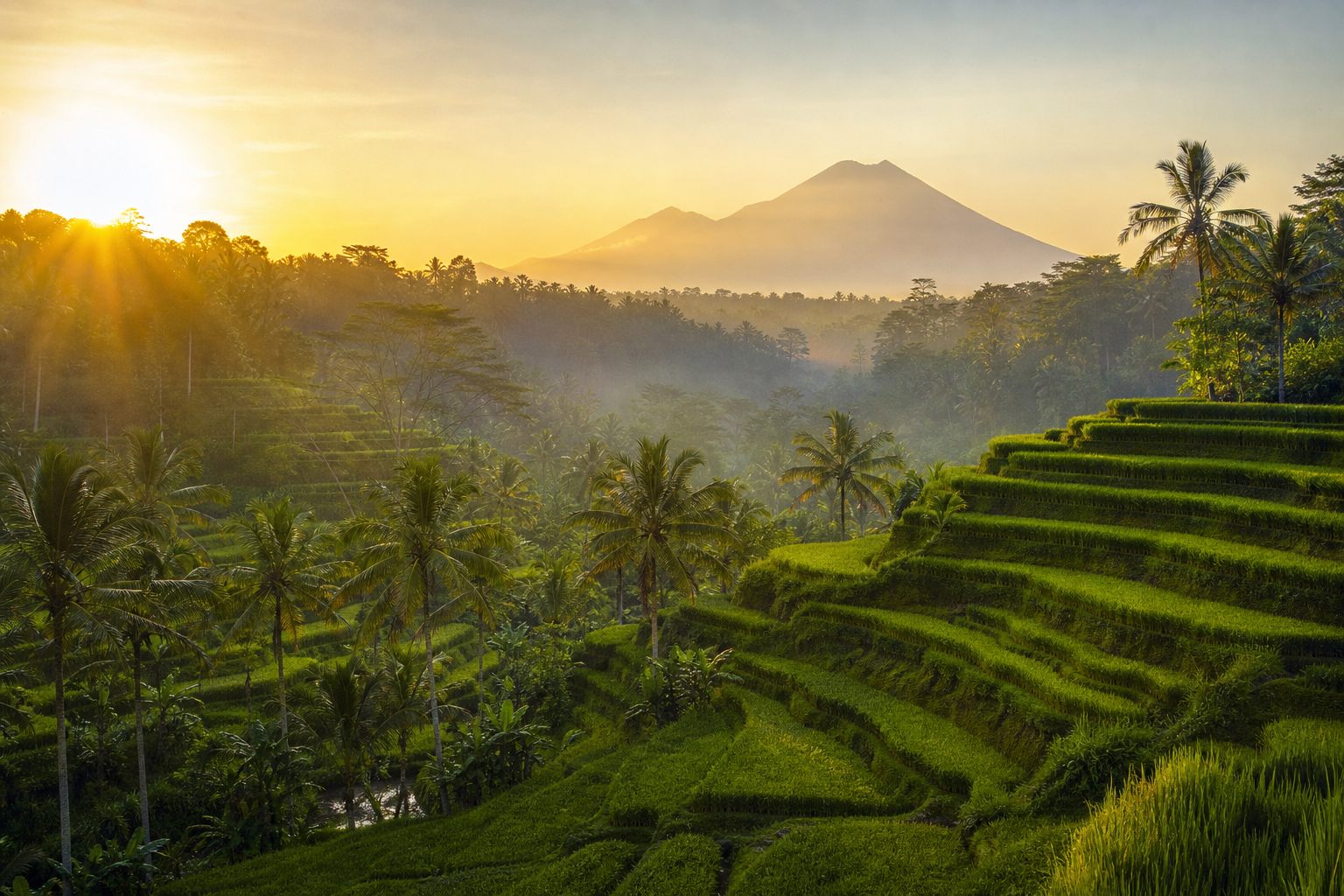
Every week, thousands of Indian travellers search for practical answers on travel costs, visa rules, Shinkansen trains, and itinerary planning across Bali, Japan, Singapore, and Thailand. Here are the 30 most asked international travel questions answered with clear, up-to-date details.

Trail With Ease Pro-Tip
For multi-city trips in Japan, compare individual Shinkansen train tickets against the JR Pass before buying. In Thailand and Bali, always verify the latest 2026 visa-free entry rules and e-VOA procedures prior to departure.
Every week, thousands of Indian travellers type some version of the same questions into Google: how much will Bali actually cost, is five days enough for Singapore, how do you get from Tokyo to Osaka, can you really visit Jewel Changi Airport without a boarding pass. The answers are scattered across travel forums, Instagram reels, and package-sale pages that mix real information with marketing. This guide pulls the practical answers into one place, organised around the four destinations Indian travellers ask about most: Bali, Japan, Singapore, and Thailand.
The questions below cover trip costs and daily budgets, how many days to actually plan for each destination, getting between cities and airports (including the Tokyo–Osaka Shinkansen route), a detailed look at Singapore's Jewel Changi Airport, Mandai Wildlife Reserve, Sentosa, and Clarke Quay, and safety considerations for families, couples, and solo travellers. Costs are shown in Indian rupees wherever possible, and anything that changes with government policy (visa rules, entry conditions, transport fares) is flagged clearly, because a few of these details have shifted in 2026 and are worth double-checking before you book.
Use the section headers to jump to what's relevant to your trip, or read through if you're still deciding between destinations.
🗓️ Last checked 15 September 2026 — the day Thailand's revised visa-free entry rule took effect. Visa rules, transport fares, and JR Pass pricing change without much notice, so always confirm details on the relevant government or rail-operator site before booking.
Trip Cost & Budget Questions
How much does a Bali trip cost from India for 5 to 7 days?
A 6-night, 7-day Bali trip from India typically costs between ₹50,000 and ₹1,20,000 per person, depending on travel style. Budget travellers can do it for around ₹50,000–₹70,000; a comfortable mid-range trip runs ₹75,000–₹1,10,000; and a luxury villa-and-spa trip crosses ₹1,20,000 and can go well past ₹2,00,000.
Return flights account for the biggest single cost at roughly ₹35,000–₹55,000 per person if booked a few weeks ahead, though fares from Mumbai and Bengaluru can dip below ₹30,000 during sales. Indonesia's e-VOA (electronic visa on arrival) adds about IDR 500,000 — roughly ₹2,600–₹2,900 — plus a small tourism levy. Budget accommodation runs ₹1,500–₹2,500 a night, while a nice 3-star hotel or private-pool villa is ₹3,500–₹7,000. Food is inexpensive if you stick to local warungs (₹300–₹600 a meal) and climbs quickly at beach clubs in Seminyak or Canggu. Set aside ₹8,000–₹15,000 total for scooter rental or private car hire, plus day trips like Nusa Penida or a Mount Batur sunrise trek. Our Bali travel guide covering cost, visa, and a 7-day itinerary breaks this down day by day if you want a fuller picture.
How much does a Singapore trip cost from India for 5 to 7 days?
A standard 4-night, 5-day Singapore trip from India costs ₹50,000 to ₹1,30,000 per person. Budget stays with public transport and hawker-centre meals land around ₹50,000–₹85,000; a mid-range trip with 3-star hotels and a couple of paid attractions runs ₹90,000–₹1,30,000; and a luxury trip with a Marina Bay hotel and fine dining pushes past ₹1,80,000.
Return flights from India cost roughly ₹17,000–₹30,000 depending on departure city and season. Unlike Bali and Thailand, Singapore requires Indian citizens to hold a visa in advance — it's not a visa-on-arrival system — and the fee is around ₹1,900 through an authorised agent. Singapore visa requirements for Indian travellers are worth checking in detail, since this is the one destination in this guide where you can't rely on visa-on-arrival. Budget on ₹8,000–₹20,000 for accommodation over four nights, ₹5,000–₹12,000 for food (hawker meals cost ₹300–₹600, sit-down restaurants considerably more), and ₹2,500–₹5,000 for local transport using an EZ-Link or SimplyGo card. If you're adding Universal Studios Singapore, Gardens by the Bay's paid conservatories, or the Singapore Zoo, set aside another ₹8,000–₹15,000. For a full cost and transit breakdown by attraction, see our Singapore travel guide with verified pricing and transit details.
How much does a Japan trip cost from India for 7 to 10 days?
A 7-day Japan trip from India generally costs ₹1,05,000 to ₹2,50,000 per person, with the range depending heavily on whether you self-plan with budget hotels and convenience-store meals or book a mid-range guided itinerary.
Flights are the first big line item at ₹37,000–₹55,000 return, usually cheaper via a Southeast Asian layover than on direct routes. A tourist e-visa through VFS plus travel insurance adds roughly ₹2,500–₹4,000. Budget hotel chains or business hotels run ₹4,500–₹7,500 a night for a couple; expect ₹1,500–₹3,000 a day per person on food if you mix convenience-store meals with the occasional sit-down dinner. Local transport is where costs swing the most: relying on regional IC cards and city subways keeps you near ₹8,000–₹12,000 for the trip, while buying a 7-day nationwide Japan Rail Pass to cover Shinkansen travel between Tokyo, Kyoto, and Osaka pushes that closer to ₹20,000–₹25,000. Worth knowing: the JR Pass is scheduled for another price increase from October 2026, so it's worth running the numbers against individual Shinkansen tickets for your specific route before assuming the pass is the cheaper option — for a Tokyo-Kyoto-Osaka trip alone, point-to-point tickets are sometimes better value. Our Japan travel guide for Indian tourists covers the Golden Route in more detail, and the Kyoto and Osaka itinerary guide is useful if you're skipping Tokyo.
How much does a Thailand trip from India cost for a one-week holiday?
A 7-day Thailand trip from India typically costs ₹40,000 to ₹75,000 per person for a mid-range independent trip, making it the most affordable of the four destinations in this guide. Budget backpacker-style travel can come in under ₹45,000; a comfortable mix of 3-star hotels and the occasional nice dinner sits at ₹55,000–₹75,000; and a package with 4–5 star hotels and private tours runs ₹90,000–₹1,50,000 or more.
Flights cost ₹12,000–₹24,000 return depending on which Indian city you fly from and how early you book — Bangkok has some of the best-connected, most competitively priced routes from India of any Southeast Asian capital. There's no visa fee for short visa-free stays (see the entry-rules note below), accommodation runs ₹1,000–₹2,500 a night for budget-to-mid hotels, street food is ₹150–₹250 a meal, and local transport (BTS Skytrain, songthaews, ferries) is genuinely cheap at ₹3,000–₹6,000 for the week. Island-hopping tours or diving trips in Phuket or Krabi add ₹8,000–₹12,000.
Is Bali expensive for Indian tourists, and how much should you budget per day?
Bali is mid-range by Southeast Asian standards — not as cheap as mainland Thailand for ultra-budget backpacking, but noticeably better value than Singapore or Japan once you move past the most basic hostel-and-scooter trip. A realistic daily budget is ₹7,000–₹10,000 for a budget traveller, ₹11,000–₹16,000 for mid-range comfort, and ₹18,000+ for a villa-and-spa style holiday, excluding flights.
What pushes costs up in Bali specifically is transport and geography: without your own scooter or a hired driver, taxis between Ubud, Canggu, and Uluwatu add up fast because the areas are spread out and traffic is often heavy. Renting a scooter (roughly ₹250–₹400 a day) or splitting a driver for full-day sightseeing (₹2,000–₹3,000 for the group) keeps this manageable. Food is where Bali stays cheap even on a mid-range trip — a good warung meal costs less than a coffee at a beach-club café, so mixing local eateries with the occasional splurge is the easiest way to control the daily average.
Is Singapore expensive for Indian tourists compared with Bali and Thailand?
Yes — Singapore is consistently the most expensive of the three for a comparable trip, mainly because of hotel rates and paid attractions rather than food or transport. A hawker-centre meal at ₹300–₹600 is actually not far off Bali or Thailand prices, and the MRT is cheap and efficient. What drives the gap is accommodation (a decent hotel room in Singapore easily costs double what the same standard gets you in Bali or Bangkok) and ticketed attractions like Universal Studios, the Singapore Flyer, or Gardens by the Bay's climate-controlled domes, each running ₹1,500–₹3,000 per person.
The upside is that Singapore is compact and efficient — a 4–5 day trip covers the major sights without the long, traffic-heavy transfers you'd face doing the same in Bali, so you spend less time (and money) getting between places. If budget is the deciding factor and you're choosing between the two, Bali or Thailand will stretch further per day; if you want maximum sightseeing packed into a short trip with minimal transit friction, Singapore's cost premium buys you convenience.
Is Japan expensive for Indian tourists, and what are the biggest expenses?
Japan is the priciest of the four destinations in this guide for a first-time trip, largely because of the long-haul flight and intercity transport rather than day-to-day spending once you're there. The three biggest expenses are flights (₹37,000–₹55,000 return), Tokyo accommodation, and Shinkansen travel between cities — a single Tokyo–Osaka bullet train ticket costs around ₹7,600–₹8,100 one way per person.
Where Japan surprises budget-conscious travellers is daily costs once you're on the ground: convenience-store meals (onigiri, bento boxes) cost ₹300–₹500, business hotel rooms are compact but reasonably priced by international standards, and city subway fares are inexpensive. A trip that mostly stays in one region (just Kansai — Osaka, Kyoto, and Nara — skipping Tokyo and the long Shinkansen hop) can cost noticeably less than a full Tokyo-to-Kyoto-to-Osaka Golden Route trip, since you avoid both the longest bullet-train fare and Tokyo's higher hotel rates.
Destination Planning Questions
How many days are enough for a Bali trip for first-time visitors?
7 to 10 days is the sweet spot for a first Bali trip — enough to see South Bali's beaches, spend real time in Ubud, and fit in at least one day trip (Nusa Penida or a volcano sunrise hike) without feeling rushed. Five to six days is workable if this is a shorter holiday and you're comfortable prioritising one or two areas over trying to cover everything.
A common first-timer mistake is treating Bali as one compact destination the way you might treat Singapore. It isn't. South Bali (Kuta, Seminyak, Uluwatu, Canggu) and Ubud are roughly 1–1.5 hours apart by road, and traffic can stretch that further during peak season. Splitting your stay, say 3–4 nights in South Bali for beaches and nightlife plus 2–3 nights in Ubud for temples, rice terraces, and a slower pace, cuts down on long day trips and gives you a home base close to whatever you're doing that day. Our 7-day Bali itinerary for first-time travellers lays out exactly this kind of split.
How many days are enough to explore Singapore for the first time?
4 to 5 days covers Singapore comfortably for a first visit — Marina Bay and the Merlion, Gardens by the Bay, a full day on Sentosa, Chinatown or Little India for food and culture, and a shopping or nightlife evening at Clarke Quay or Orchard Road. Three days is doable but tight if you also want Universal Studios or a half-day at Mandai Wildlife Reserve, both of which deserve unhurried time.
Singapore's advantage for planning is that the MRT connects almost everything, so unlike Bali, you're not losing hours to transfers between areas. That efficiency is exactly why 4–5 days feels sufficient here where the same span barely dents Bali or Thailand — you're not padding the itinerary with travel time, you're using nearly all of it for actual sightseeing. Our Singapore 6-day itinerary for first-timers is a good reference if you want extra buffer days or are travelling with kids.
How many days should you plan for a first trip to Japan?
7 to 10 days is the realistic minimum to cover Japan's classic first-timer route (Tokyo, Kyoto, and Osaka, sometimes called the Golden Route) without every day feeling like a transit day. A tighter 6-day version is possible if you accept seeing less of each city, but Japan rewards slightly longer stays because the distances between highlights within each city (Tokyo especially) are larger than first-time visitors expect.
A reasonable first-trip split is 3–4 days in Tokyo, 2–3 in Kyoto, and 2 in Osaka, connected by the Shinkansen. Travellers with 12–14 days can add Hiroshima, Nara as a Kyoto day trip, or Hakone for Mount Fuji views. Anything under 6 days usually means picking one or two cities rather than attempting all three — trying to cram Tokyo, Kyoto, and Osaka into 5 days leaves almost no slack for jet lag, queues at popular temples, or simply slowing down, which defeats a lot of the point of visiting Kyoto in particular.
How many days are enough for Bangkok, Pattaya and Phuket in Thailand?
7 to 10 days works well for covering all three: roughly 2–3 days in Bangkok for temples, markets, and street food; 2–3 days in Pattaya if you want a shorter beach stop with nightlife and family activities; and 3–4 days in Phuket for a proper island and beach experience, including a day trip to Phi Phi Islands or Krabi if time allows.
If you only have 6–7 days, most travellers are better off choosing two of the three rather than rushing all of them — Bangkok plus Phuket is a popular combination that pairs city culture with beach time, while Bangkok plus Pattaya suits families or shorter breaks since Pattaya is only about a two-hour drive from Bangkok, compared to Phuket, which requires a roughly 1.5-hour domestic flight. Trying to fit all three into under a week usually means one leg gets reduced to little more than an overnight stop. Our Bangkok to Phuket flight guide covers the domestic-carrier options and timing in more detail.
How should you plan a Bali trip from India for the first time?
Start with timing: Bali's dry season (April to October) has more reliable weather for beach days and day trips, though it's also when prices and crowds peak, especially around July-August and the New Year period. Apply for Indonesia's e-VOA online before you travel rather than relying entirely on the arrival kiosk — it's the same fee (roughly IDR 500,000, about ₹2,600–₹2,900) but saves time on arrival, and immigration typically wants proof of onward travel and sometimes proof of accommodation, so keep these handy.
Book your accommodation by area, not just by price — a hotel in Ubud and one in Seminyak serve completely different kinds of days, and mixing bases (say, 4 nights South Bali, 3 nights Ubud) is usually smarter than one long stay in a single area. Decide early whether you're comfortable renting and riding a scooter yourself; if not, budget for a private driver, which for a group of 3–4 often works out cheaper per person than repeated taxi rides. Build in one buffer day, since Bali's traffic and occasional weather delays can throw off tightly packed itineraries.
How should you plan a Japan trip from India covering Tokyo, Kyoto and Osaka?
Apply for your Japan tourist e-visa through VFS Global well in advance — processing generally takes several working days but can extend during peak seasons (cherry blossom season in spring and autumn foliage season are Japan's busiest and most expensive months to visit). See our guide to the best time to visit Japan if you're weighing cherry blossom season against autumn foliage. Decide your transport strategy before booking hotels: if you're doing the classic Tokyo → Kyoto → Osaka route by Shinkansen, compare the cost of a 7-day Japan Rail Pass against buying individual Nozomi or Hikari tickets for your specific itinerary, since the Pass doesn't automatically work out cheaper for shorter, single-region trips, and its price is rising again from October 2026.
Sequence the cities so you're not backtracking: Tokyo first (3–4 days), then Kyoto (2–3 days) as your cultural base, with Osaka (2 days) either as a day trip from Kyoto or your final stop before flying home via Kansai International Airport. Book accommodation early, particularly in Kyoto during peak seasons, since good-value business hotels sell out weeks ahead. For city-specific planning, our Kyoto travel guide for Indian tourists and Osaka travel guide cover attractions, vegetarian food options, and entry fees in detail.
How should you plan a Thailand trip from India if you want to visit multiple cities?
Fly into Bangkok first, since it has by far the best direct connectivity from Indian cities, and use it as your base for temples, the Grand Palace, and street food before moving on. For a multi-city trip, decide early whether you're prioritising beaches (Phuket, Krabi) or a shorter, more accessible coastal stop (Pattaya, about two hours from Bangkok by road) since this affects both cost and how much time you lose to transit.
Domestic connections are easy: Bangkok to Phuket is roughly a 1.5-hour flight on budget carriers, while Bangkok to Pattaya is typically done by road via shared van or private transfer. If your itinerary includes island-hopping around Phuket or Krabi, book those tours a day or two after arrival rather than immediately, so you have a buffer for flight delays. Keep an eye on Thailand's visa-free entry rules before you travel — see our Thailand travel guide with the full 2026 visa breakdown, or the FAQ section below for a quick summary — they changed for Indian citizens in September 2026.
Flights, Distance & Getting Around
How far is Tokyo from Osaka, and what is the best way to travel between them?
Tokyo and Osaka are roughly 515 kilometres apart. The best way to travel between them is the Tokaido Shinkansen, specifically the Nozomi bullet train, which is faster than flying once you account for airport check-in and transfer time, and drops you directly into each city centre (Tokyo Station to Shin-Osaka Station) rather than an airport on the outskirts.
Flying is an alternative if you're catching a connecting international flight or specifically want to save on a JR Pass–ineligible Nozomi fare, but the actual flight time (around 1 hour) is offset by airport transfers on both ends, usually making the total door-to-door time similar to or longer than the train. An overnight bus is the budget option at a fraction of the Shinkansen fare, taking around 8 hours, but it eats into a travel day that could otherwise be spent sightseeing. For most first-time visitors doing the Tokyo-Kyoto-Osaka route, the Shinkansen is the practical default. Our Tokyo to Osaka bullet train guide covers exact fares and station transfers.
How long does the Shinkansen take from Tokyo to Osaka, and how much does it cost?
The fastest Nozomi service covers Tokyo to Shin-Osaka in about 2 hours 21 minutes to 2 hours 30 minutes. A one-way non-reserved or standard reserved seat costs roughly ¥13,870–¥14,720, which converts to approximately ₹7,600–₹8,100 at typical exchange rates — treat this as an approximate figure, since it moves with the yen-rupee rate.
One detail that trips up first-time visitors: the Japan Rail Pass does not cover the Nozomi, the fastest service — Pass holders need to use the slightly slower Hikari or Kodama trains instead, which add roughly 15–30 minutes to the journey. If you're travelling with large suitcases, note that the Tokaido Shinkansen requires an oversized-baggage reservation (free, but must be booked in advance) for any bag with combined dimensions over 160 cm; boarding with unreserved oversized luggage attracts a ¥1,000 fee at the conductor's discretion.
What is the best way to travel to Bali from India?
Direct flights connect Delhi, Mumbai, and Bengaluru to Denpasar (Bali's Ngurah Rai airport, code DPS), taking roughly 8–9 hours depending on departure city, with Air India and IndiGo among the carriers offering these routes. One-stop flights via Singapore, Kuala Lumpur, or Jakarta are often cheaper and give you more airline and schedule options, especially from cities without direct connections.
The cheapest fares typically come from booking 6–8 weeks ahead and travelling in Bali's shoulder season (roughly November-March excluding the New Year peak, or the quieter stretches of the April-October dry season). Budget carriers and one-stop routings usually beat direct flights on price if you're flexible on total travel time.
What is the best way to travel to Thailand from India?
Thailand has some of the strongest direct flight connectivity from India of any Southeast Asian country — Bangkok is served by direct flights from Delhi, Mumbai, Bengaluru, Chennai, Kolkata, Hyderabad, and several other Indian cities, with flight times around 4 hours. Phuket also has direct seasonal connections from some Indian cities, which is worth checking if your trip is beach-focused and you want to skip a Bangkok stopover.
Budget carriers including IndiGo, AirAsia, and Thai AirAsia typically offer the lowest fares, especially on early-morning or late-night departures. Because Bangkok functions as Southeast Asia's major transit hub, it's also common to find good deals on tickets that route through Bangkok even when it isn't your final destination.
How can tourists travel around Bali without spending too much on transportation?
Renting a scooter is the cheapest way to get around Bali at roughly ₹250–₹400 a day, and it gives you the flexibility to reach beaches, temples, and rice terraces on your own schedule — but it requires confidence riding in traffic that can be chaotic by Indian-city standards in areas like Kuta and Seminyak, and a valid international driving permit is technically required by Indonesian law.
If you're not comfortable riding, Grab and Gojek ride-hailing apps are widely used and considerably cheaper than flagging down a taxi, especially for point-to-point trips within one area. For full-day sightseeing covering multiple stops, say a day trip to Nusa Penida's boat departure point or a temple-hopping day around Ubud, hiring a private driver for the day (typically ₹2,000–₹3,000, split among your group) is often the best value, since it avoids per-trip fares stacking up and includes waiting time between stops.
Singapore Attractions & Transportation Questions
Can transit passengers visit Jewel Changi Airport, and how much layover time is needed?
It depends on whether you're able to clear Singapore immigration. Changi Airport officially recommends transit passengers allow at least 5 hours to comfortably visit Jewel and get back through security in time for their connecting flight. But to actually leave the transit area and enter Jewel's public zone, you need to clear immigration — which for Indian passport holders usually means holding a valid Singapore visa in advance.
There's one useful exception: Indian nationals can qualify for Singapore's 96-hour Visa Free Transit Facility if they hold a valid onward ticket departing Singapore within 96 hours and hold a valid visa or long-term pass (valid for at least one month from entry) for Australia, Canada, Germany, Japan, New Zealand, Switzerland, the UK, or the US. If you don't have a Singapore visa or a qualifying third-country visa, you can still glimpse the Rain Vortex without going through immigration at all — the free Skytrain connecting Terminal 2 and Terminal 3 passes directly above Jewel, giving airside passengers a view of the waterfall and Forest Valley. It's not the same as walking through Jewel itself, but it's a genuine option if your layover doesn't allow for immigration clearance.
Which terminal is Jewel Changi Airport closest to, and how do you reach it from Terminals 1, 2 and 3?
Terminal 1 is closest — Jewel connects directly to Terminal 1's arrival hall, essentially a same-building walk. From Terminal 2, it's a 5–10 minute walk via a covered link bridge from the departure hall; Terminal 3 similarly connects via a 5–10 minute link-bridge walk, and both T2 and T3 also have a free shuttle bus option if you'd rather not walk. Terminal 4, which is physically separate from the other three, connects to Jewel via a free shuttle bus service.
If you're flying out of Terminal 1, budget almost no extra transit time to visit Jewel beforehand; from Terminals 2, 3, or 4, add 15-20 minutes each way for the walk or shuttle, plus time for security and immigration if you're re-entering the transit area afterward.
How do you reach the Jewel Changi Rain Vortex, and is it free to visit?
The Rain Vortex sits at the centre of Jewel, inside the Shiseido Forest Valley, and is reached by simply walking into Jewel from any terminal (see above) — there's no separate ticket gate or entry fee to view it. It's completely free. Jewel and the Rain Vortex viewing area are open daily from 10:00 AM to 10:00 PM.
If you want to see the light-and-sound show rather than just the waterfall itself, time your visit for the evening: shows run at 8:00 PM and 9:00 PM Monday to Thursday, with an additional 10:00 PM show on Fridays, weekends, and public holidays. Arrive 15–20 minutes early for a good viewing spot, since the area around the base gets crowded just before showtime.
How do you get to Mandai Wildlife Reserve by MRT, shuttle bus or taxi?
The most straightforward route is the North-South Line to Khatib MRT station (NS14), then the Mandai Khatib Shuttle, which costs S$2.50 one way (children ride free), runs roughly every 15-20 minutes between 8:30 AM and midnight, and takes about 20 minutes to reach the park entrances.
Alternative public bus routes connect from other MRT stations: bus 138 runs from Ang Mo Kio or Springleaf MRT stations, and bus 927 runs from Choa Chu Kang MRT — both useful if you're staying nearer those areas. By taxi or ride-hailing app (Grab, Gojek, TADA), it's roughly a 20-30 minute ride from central Singapore, and this is the easiest option if you're travelling with young kids or a lot of gear, since the reserve's parks are spread across a large site once you arrive. For ticket pricing across the five parks (Singapore Zoo, Night Safari, River Wonders, Bird Paradise, and Rainforest Wild Asia) and a park-by-park breakdown, see our Mandai Wildlife Reserve guide.
What are the best things to do on Sentosa Island, and how much time should you spend there?
Plan for a full day at minimum, and two days if you want to properly cover Universal Studios Singapore, the S.E.A. Aquarium, the beaches, and an evening show like Wings of Time. A rushed half-day only really allows time for one major attraction plus a walk along Siloso Beach.
For a single well-planned day: start with Universal Studios or the S.E.A. Aquarium in the morning before crowds build, spend the afternoon at Siloso or Palawan Beach, and catch an evening show before heading back. Getting there is straightforward — the Sentosa Express monorail departs from VivoCity Mall (roughly S$4, which includes your Sentosa admission and is refunded as a shopping voucher), the Sentosa Boardwalk is a free 10–15 minute walk from VivoCity, and a cable car from Mount Faber or HarbourFront (S$20–S$35 depending on route) adds a scenic approach if you don't mind paying more for the view.
What are the best things to do at Clarke Quay, and is it worth visiting?
Clarke Quay is worth visiting primarily as an evening stop rather than a daytime sightseeing destination — it's a riverside district of restored warehouses now packed with restaurants, bars, and river-view dining, plus a Singapore River cruise departure point. Two to three hours is enough for dinner and a short river cruise; it's not a full-day attraction the way Sentosa or Mandai is.
It works well paired with other things in the area — Fort Canning Park is a short walk away for daytime greenery, and it's an easy add-on to an evening that also includes Merlion Park or Marina Bay, since all three sit along the same river. For couples or groups wanting nightlife and river-view dining, it's genuinely one of Singapore's better evening options; for families with young children, it's more of a dinner stop than a destination in itself. Our Clarke Quay Singapore guide has current opening hours and a breakdown of dining options by budget.
Safety & First-Time Traveller Questions
Is Bali safe for Indian tourists, families, couples and solo travellers?
Yes, Bali is generally safe — violent crime against tourists is rare, and it's a well-established destination for Indian honeymooners, families, and solo travellers alike. The more common risks are traffic and scooter accidents (a real concern given how many tourists ride without much prior experience), petty theft such as bag-snatching in busy areas, and occasional overcharging or minor scams around currency exchange and tour bookings.
Solo female travel to Bali is common and generally considered comfortable in tourist areas like Ubud, Seminyak, and Canggu, with the usual precautions that apply anywhere: sticking to well-reviewed accommodation, being cautious about scooter riding at night, and being aware of drink safety at bars and beach clubs. Families will find Bali well set up with kid-friendly resorts and calmer beach areas like Nusa Dua, while South Bali's Kuta and Seminyak lean more toward a younger, nightlife-oriented crowd.
Is Thailand safe for Indian tourists, and what should first-time visitors know?
Yes, Thailand is broadly safe and has some of the most tourist-ready infrastructure in Southeast Asia — well-marked tourist zones, English widely spoken in hospitality settings, and a large, established flow of Indian visitors every year. The main practical risks are road and scooter accidents (Thailand has relatively high road-accident rates, and rented scooters are a common source of tourist injuries), plus common scams aimed at tourists such as inflated tuk-tuk fares, gem or tailor-shop scams, and jet-ski damage claims in beach areas.
First-time visitors should know that Thailand's visa-free entry rules for Indian citizens changed in September 2026 — see the FAQ section below for the current rules, since this affects how long you can stay without applying for a visa in advance. Standard travel precautions apply: use metered taxis or ride-hailing apps rather than negotiating tuk-tuk fares upfront where possible, be cautious with nightlife-district drink safety, and keep photocopies of your passport and visa documents separate from the originals.
Which is better for Indian travellers on a budget: Bali, Thailand, Singapore or Japan?
Thailand generally offers the lowest overall cost for a budget-conscious trip, particularly for backpacker-style travel, thanks to cheap street food, affordable accommodation, and low-cost domestic transport. Bali runs a close second and often gives better value than Thailand once your budget moves into mid-range territory — a nice villa in Bali can cost less than an equivalent hotel room in Bangkok or Phuket. Singapore is consistently the priciest of the three Southeast Asian destinations, driven by hotel rates and paid attractions rather than food or transit. Japan is the most expensive overall for a first trip, mainly because of the long-haul flight and intercity Shinkansen fares, though daily costs once you're there (convenience-store meals, city subway fares) are more reasonable than the flight cost suggests.
| Destination | Budget (per person, 7 days) | Mid-range (per person, 7 days) | What drives the cost |
|---|---|---|---|
| Thailand | ₹40,000–₹50,000 |
₹55,000–₹75,000 |
Cheapest flights, food, and local transport of the four |
| Bali | ₹50,000–₹70,000 |
₹75,000–₹1,10,000 |
Scooter/driver costs for spread-out areas; strong villa value |
| Singapore | ₹60,000–₹85,000 |
₹90,000–₹1,30,000 |
Hotel rates and paid attractions; compact and efficient |
| Japan | ₹1,05,000–₹1,30,000 |
₹1,50,000–₹2,20,000 |
Long-haul flight and Shinkansen fares between cities |
For a first international trip on a tight budget, Thailand is the safest financial choice. If you can stretch your budget slightly and want a mix of beaches, culture, and value, Bali tends to win on comfort-per-rupee. Choose Singapore if convenience and compact sightseeing matter more than daily cost, and save Japan for when your budget comfortably covers the flight and Shinkansen travel — trying to "do Japan cheap" usually means compromising on the parts of the trip (intercity travel, seeing all three Golden Route cities) that make it worth visiting in the first place.
Planning It All Together
Which of these four destinations makes sense for you comes down to a handful of practical trade-offs rather than one being objectively "better": your budget, how many days you actually have, whether you want beaches, city sightseeing, or a mix, and how much of your trip you want to spend planning versus relaxing. Thailand and Bali suit shorter budgets and beach-first trips; Singapore rewards travellers who want maximum sightseeing in a short, low-hassle window; Japan is worth the higher cost when you can give it the 7-10 days and full attention it deserves.
If you'd rather build the trip around your dates, budget, and preferred experiences instead of piecing together flights, visas, and itineraries separately, Trail With Ease can help you plan a customised international itinerary across Bali, Japan, Singapore, or Thailand.